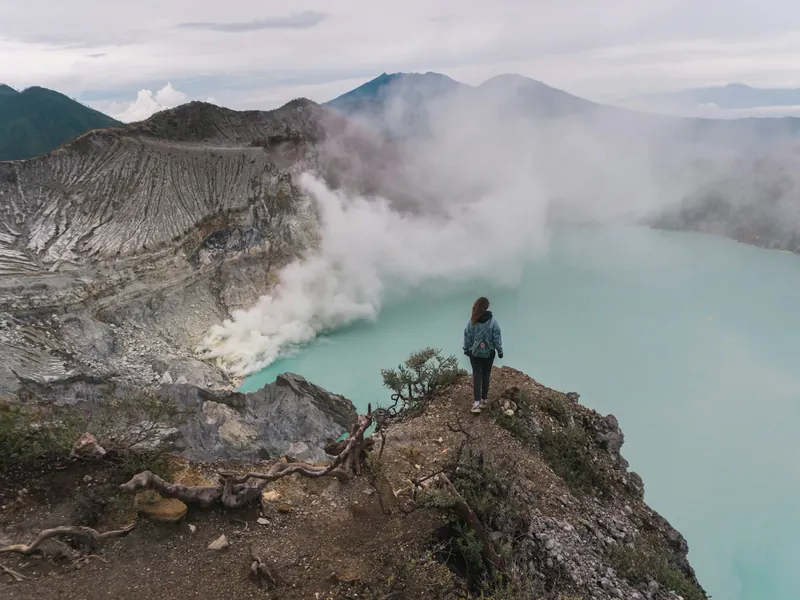
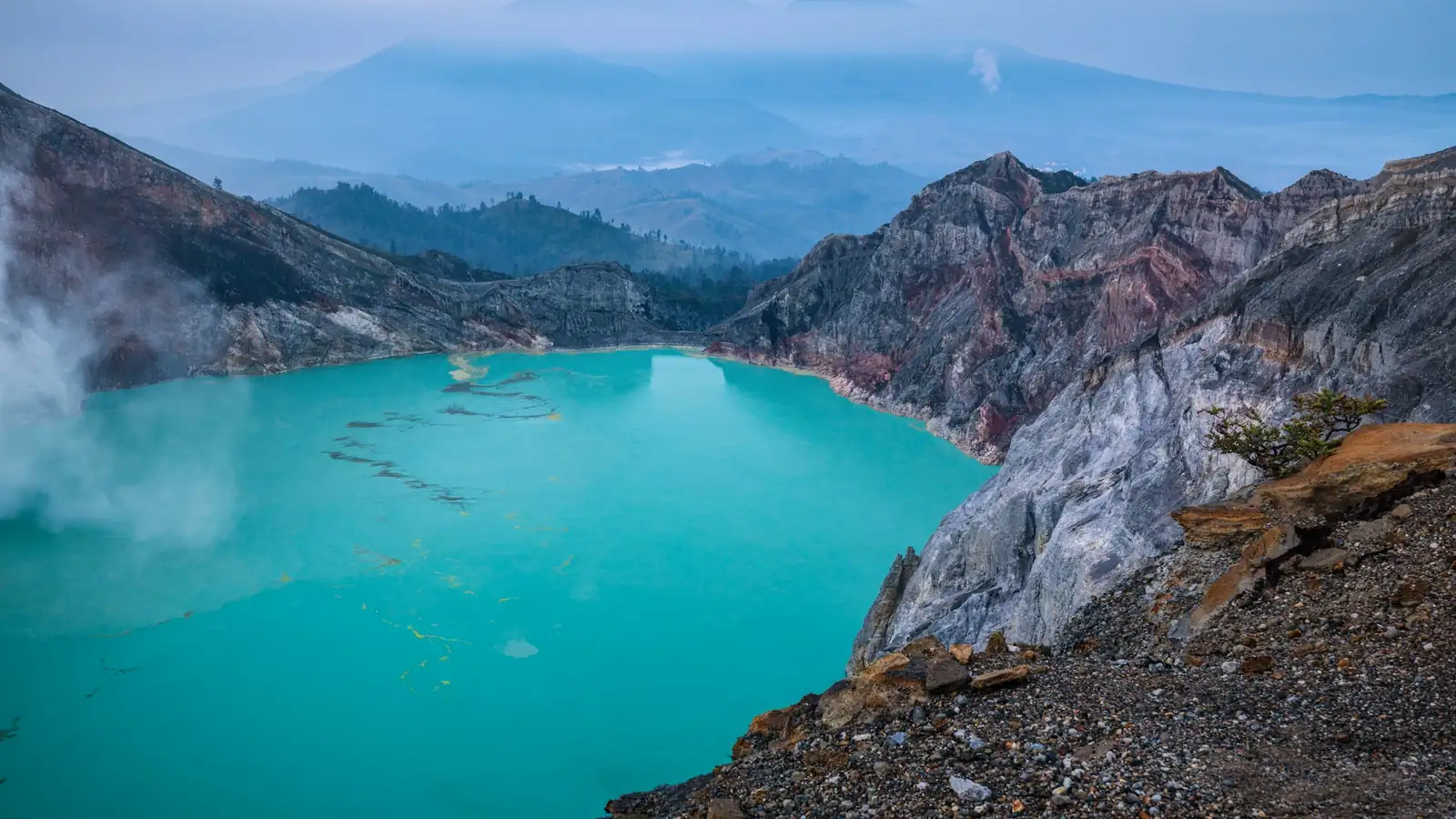
ijen crater sunrise hike tour — Photorealistic editorial travel photograph relevant to: An independent, honesty-first gu

Kawah Ijen Sunrise & Turquoise Crater Lake Tour — Crater Rim Walk

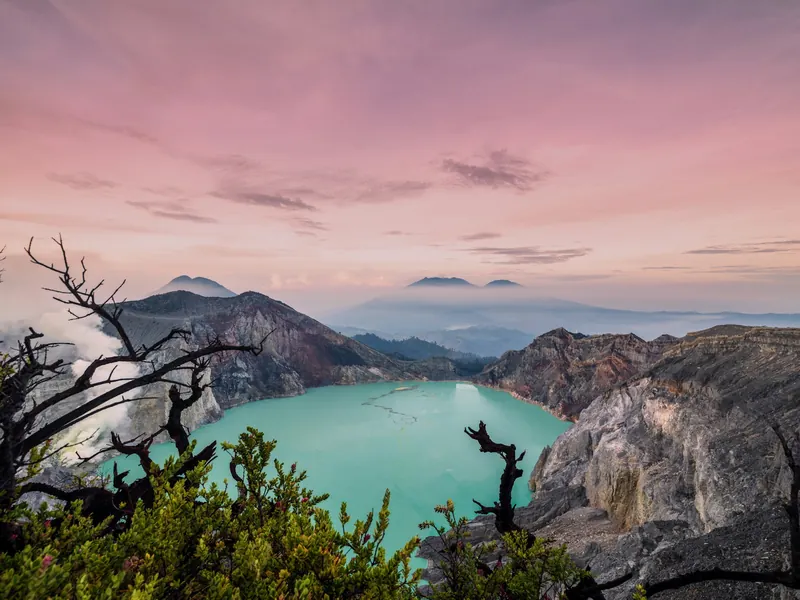
The ijen crater sunrise hike tour is a guided early-morning trek to the Kawah Ijen crater rim to see dawn light over the turquoise acid lake and the sulfur miners at work. This page explains the rim-only sunrise option from Bali or East Java, without the midnight blue fire descent into the crater.

Kawah Ijen Sunrise & Turquoise Crater Lake Tour — Crater Rim Walk Overview

I’m Anindya, Ijen Trek & Mountain Editor at Ijen Tour Package. I’ve walked the ijen sunrise crater rim more than a hundred times, in dry-season moonlight and in wet, windy July dawns. This page is the guide I wish every first-timer read before they committed.

This Kawah Ijen turquoise crater lake tour is aimed at travelers who care more about sunrise colors, crater-lake photography and a safer, more controlled experience than about chasing the blue fire at midnight. You still hike at night. You still climb 500+ vertical meters. But you do not scramble down into the crater in the dark or sit in thick sulfur gas for long periods.

Bali Premium Trip (founded 2015, based in Kuta, Bali) operates this ijen crater sunrise tour package. Our Bali team plans your route, timing and accommodation, then arranges licensed local guides, transport and permits in East Java. You book directly with our own reservations team — no third‑party markup, no surprise extras.

What Exactly Is the Ijen Crater Sunrise Rim Tour?

The ijen sunrise crater rim walk is a 3 km uphill trek (one way) from the park entrance at Paltuding (±1,850 m) to the main Kawah Ijen crater rim (±2,350 m). From there you look down into a 1 km wide, turquoise acid lake with active sulfur mining on its shore.

Key facts at a glance

Location
Kawah Ijen, East Java, between Banyuwangi and Bondowoso
Tour focus
Sunrise light, crater-rim views, turquoise lake, sulfur miners; no blue-fire crater descent
Start time
Typically 01:00–02:00 hotel pickup in Banyuwangi (earlier if coming from Bali)
Hiking time
±1.5–2 hours ascent, 1–1.5 hours descent, plus 1–2 hours on the rim
Distance & elevation
±3 km up / 3 km down; roughly 500–550 m vertical gain
Altitude
Trailhead around 1,850 m; rim viewpoints around 2,350 m above sea level
Typical trip length from Bali
1 night / 2 days or 2 nights / 3 days including transfers and lodging in East Java
Indicative private tour budget
Roughly US$180–320 per person from Bali for 1–2 nights (last verified June 2026; varies by group size, season & hotel)

You still start in the very early hours so you reach the rim as the sky lightens. But compared to the blue-fire program, the pace is more relaxed and the most hazardous part — the rocky descent into the crater — is not part of this itinerary.

Sunrise vs Blue Fire: Which Kawah Ijen Tour Is Right for You?

A lot of travelers only learn at the last minute that there are actually two quite different Ijen experiences: the ijen crater sunrise tour east java focused on the rim and turquoise water, and the night-time blue fire descent into the crater. Here is a side-by-side, from someone who guides both.

Aspect Sunrise Crater Rim Walk Blue Fire + Crater Descent
Main goal Dawn light, ijen crater lake turquoise water color, landscape & miner scenery See the blue flames from ignited sulfur gas in the dark inside the crater
Start time Trail usually 03:00–04:00 Trail usually 01:00–02:00 to reach crater floor before 03:00
Route Up to rim only, stay on top Up to rim, then down steep rocky path 200–250 m into crater and back up
Difficulty Moderate (steep but straightforward path) Moderate–hard (steep, loose rocks, more gas exposure, crowded in high season)
Gas exposure Short, lighter sulfur smell on rim; can usually step back from wind Much stronger & longer sulfur exposure near vents; gas masks essential
Best for Photography, first-time hikers, people with asthma/sensitive lungs, families Adventure seekers comfortable with dark, crowds, stronger sulfur gas
Photography Wide crater views, ijen sunrise crater lake photography turquoise water, miner silhouettes Blue fire photos in the dark; limited sense of lake color until daylight
Safety margin Higher, as you stay on the rim and can move away from gas clouds more easily Lower, as you are closer to vents and steeper terrain; park sometimes restricts access

If you are currently undecided on ijen crater sunrise vs blue fire tour, ask yourself two questions:

  • Do I care more about the surreal turquoise lake and landscape, or about seeing blue flames in the dark from up close?
  • How comfortable am I with walking on loose, rocky trails in the dark with strong sulfur gas around me?

If your priority is the view, the photos and a safer margin for your lungs, the sunrise crater rim hike sunrise is usually the better match. You can still see blue fire from the rim from a distance in good conditions, but it will not be the main focus.

If you want help weighing this up for your own fitness and timing, send our team a note and we’ll be blunt about pros and cons for your dates: plan your trip or WhatsApp +62 811 2859 0000.

What the Turquoise Crater Lake Actually Is (and Why It’s So Blue-Green)

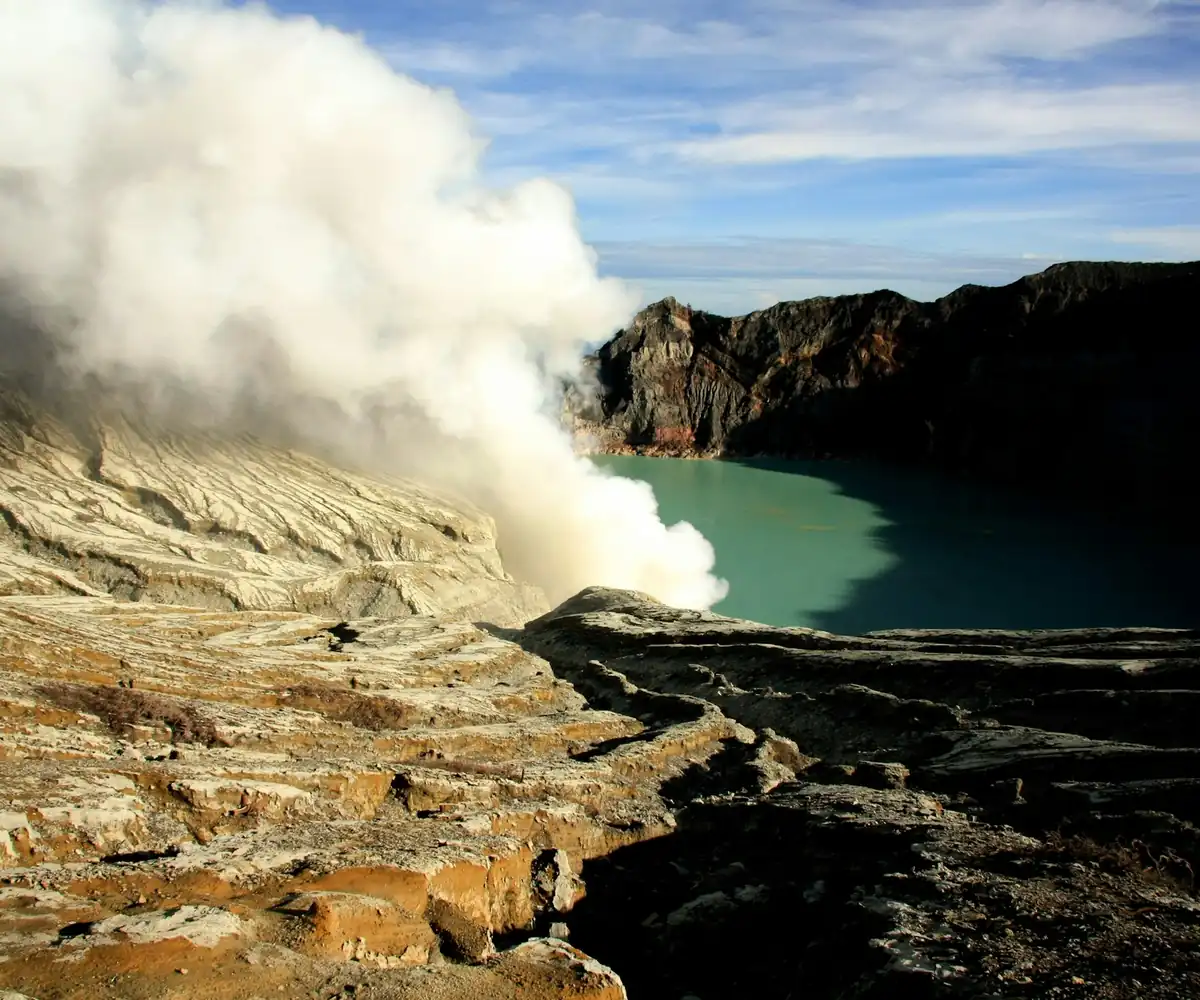
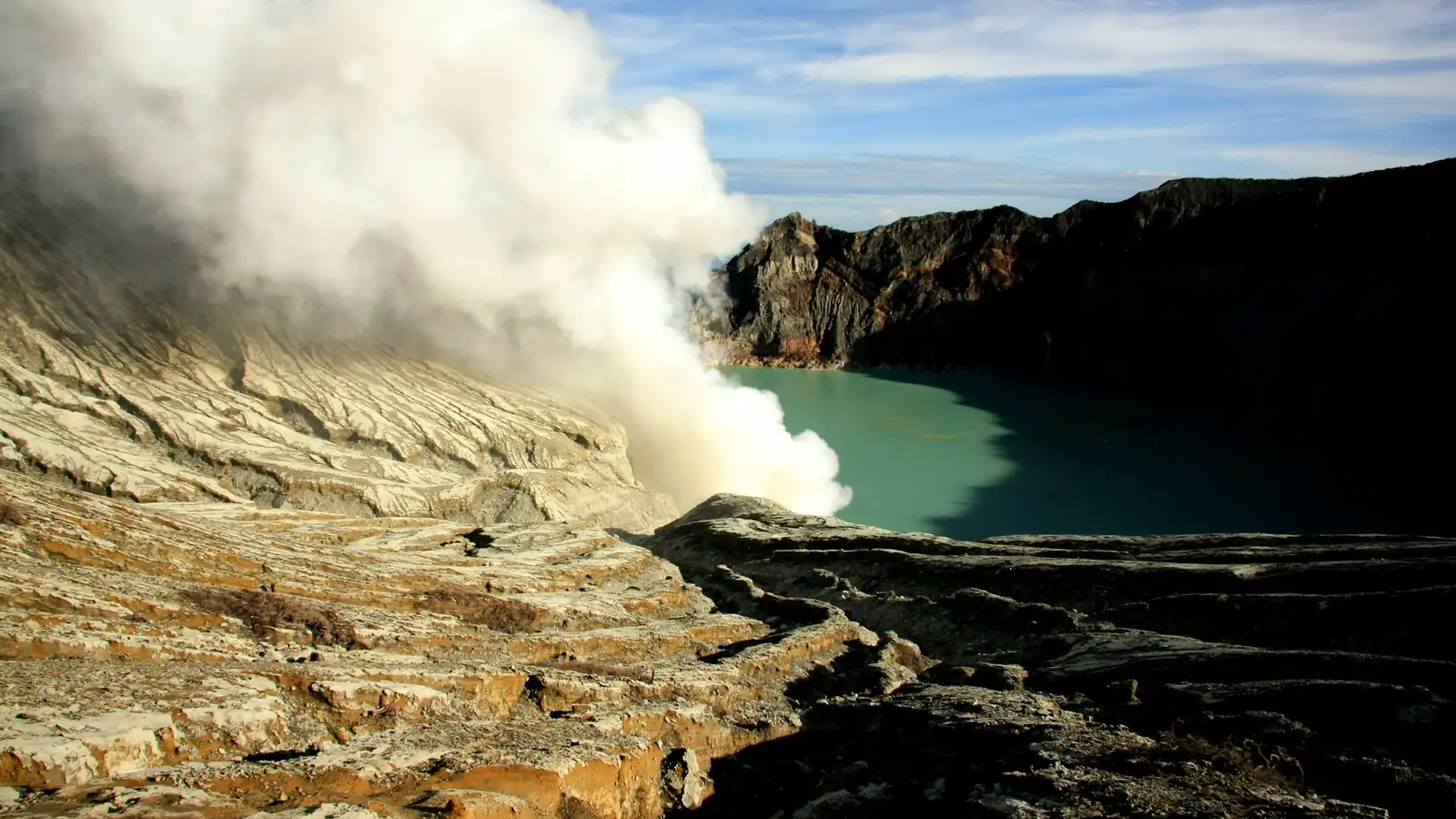
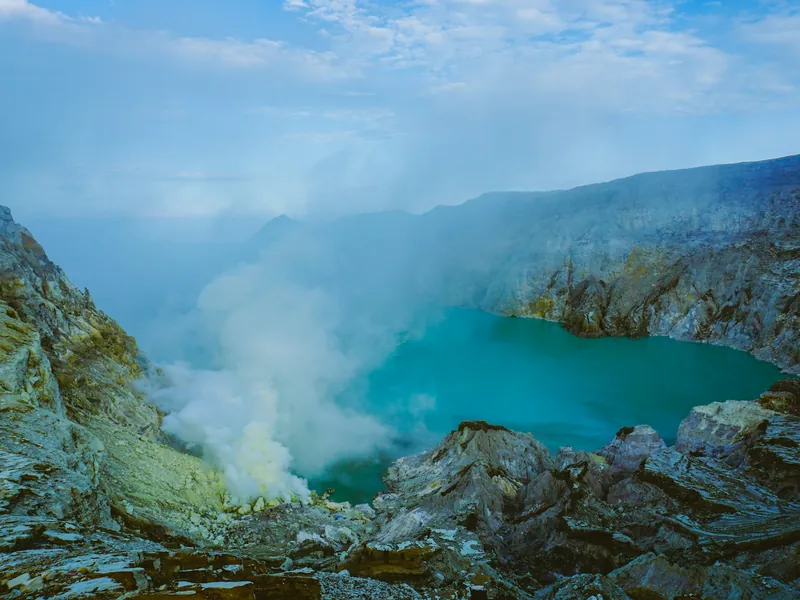
From the rim, Kawah Ijen looks like someone poured a giant bowl of blue-green paint into a volcano. The effect is real, and it comes from harsh chemistry.

The science in simple terms

  • Acidic water: The crater lake is extremely acidic, with pH often around 0–1. This is similar to battery acid. It dissolves minerals from the rock.
  • Dissolved metals: The water holds high concentrations of sulfur and metal ions (iron, aluminum and others). These, plus the acidity, change how sunlight is absorbed and scattered in the water.
  • Depth and clarity: The lake is thought to be around 200 m deep in places. Deep, mineral-rich water can appear intensely turquoise in daylight when the sun is high enough.

The ijen crater lake turquoise water color also changes with light. Around sunrise it may look more muted or milky; as the sun climbs higher, the color often shifts to a brighter, denser blue-green. That’s why this kawah ijen turquoise crater lake tour is especially rewarding if you stay on the rim beyond the first sunrise glow into early morning.

From the rim you will often see yellow sulfur deposits and steam vents around the shore. Small dots moving back and forth are the sulfur miners, carrying baskets that can weigh 60–80 kg on their shoulders.

How Difficult Is the Ijen Sunrise Crater Rim Hike?

No sugar-coating here. This is not a flat walk, but it is doable for most reasonably active people with no serious heart or lung issues.

The trail, broken down

  • Distance: Roughly 3 km from Paltuding post to the main rim viewpoint (one way).
  • Elevation gain: Around 500–550 m vertical gain over that distance.
  • Gradient:
    • First 1.5 km: Steady but steep concrete and dirt track; many people need stops.
    • Middle 1 km: Mix of gentler slopes and short steeper pitches.
    • Final 0.5 km: Narrower, more uneven volcanic grit and stones along the rim crest.
  • Surface: Mostly compacted gravel and dirt, some concrete; occasional loose stones near the rim.

Fitness check: what your body actually feels

If you can comfortably walk 8–10 km on flat ground and climb 10–15 flights of stairs without gasping, you’ll probably be fine with this ijen crater rim walk turquoise lake itinerary. You will sweat, you will breathe hard on the steeper sections, and you will likely stop several times. That is normal.

I often see three types of people struggle:

  1. Very low recent activity. If your daily walking is under 3,000 steps and stairs are a serious effort, you may find the climb uncomfortably hard and slow.
  2. Smokers with no uphill practice. Many manage it, but they tend to need more frequent breaks and sometimes arrive after sunrise.
  3. People rushing for photos. The urge to “keep up with the group” can lead to pushing too fast. Pace is more important than speed.

Our private sunrise tours move at your pace. Your guide will set small goals — a bend in the trail, a lamp post — then rest. No one is counting your breaks.

Who should think twice?

The sunrise crater-rim version is the safer choice compared with the blue fire descent, but it is still at altitude with sulfur gas present. You should talk to your doctor before planning this hike if you have:

  • Unstable heart disease or very high blood pressure
  • Moderate to severe asthma, COPD or other chronic lung disease
  • Late pregnancy

Our guides cannot give medical clearance. They can only help you pace the climb, monitor conditions, and choose safer positions on the rim.

Altitude, Sulfur Gas and Safety on the Rim

Kawah Ijen is an active volcanic system. That’s the reason the lake is so blue-green — and the reason you sometimes smell sulfur the moment you open the car door at Paltuding.

Altitude effects

  • Rim elevation: Around 2,350 m above sea level. For most people, this height gives mild effects at most: slightly faster breathing, quicker fatigue.
  • Who might feel it: Travelers flying in from sea level a day before, those with very low fitness, or people sensitive to altitude may notice light headache or shortness of breath.
  • Management: Slow pace, regular sips of water, warm layers and not skipping dinner help a lot.

Sulfur gas reality

All Ijen tours involve some level of sulfur exposure. On the rim-only sunrise hike, it is usually limited, and you can often step back from a gas cloud. Deeper in the crater, options to move away are more limited.

On the rim you may experience:

  • Strong sulfur smell when wind shifts
  • Short bursts of throat or eye irritation
  • A bit of coughing if gas hits directly

We strongly recommend:

  • Mask: Carry at least a good particulate mask (KN95/N95-style) for comfort. For the rim-only tour, a full gas respirator is not strictly necessary for most people, but some still prefer it.
  • Eye protection: Simple clear glasses help if your eyes are sensitive.
  • Listen to your guide: They will watch the direction of the plume and suggest where to stand or when to move.

On days with unusual volcanic activity or heavy gas, authorities may restrict access closer to the rim, sometimes temporarily closing the crater entirely. Your safety comes first, even if that means less dramatic photos.

Best Season and Time of Day for the Ijen Sunrise Crater Lake

Dry vs rainy season

  • Dry season (roughly May–October):
    • Generally clearer skies and drier trails.
    • Cool nights; 5–10°C on the rim before sunrise.
    • More visitors, especially July–August.
  • Rainy season (roughly November–April):
    • More cloud and fog; occasional heavy rain on the trail.
    • Lake color can be dramatic between passing clouds.
    • Fewer people, but risk of canceled or delayed hikes in very bad weather.

The best months for an ijen crater sunrise tour east java if you care most about clear views are typically June–September. That said, I’ve had some of my favorite light in the shoulder months, when scattered clouds catch sunrise color and the lake glows under patches of sun.

Why sunrise, not midday?

An ijen crater midday afternoon visit is possible; the park is open beyond the early-morning hours. Midday visits come with trade-offs:

  • Pros:
    • Brighter lake color once the sun is high.
    • Warmer temperatures on the rim.
    • Less night hiking; better for those who strongly dislike darkness.
  • Cons:
    • Harsher overhead light, which can flatten photos.
    • More haze and potential heat shimmer over the lake.
    • Less atmosphere: no headlamp processions, no sunrise glow over other peaks.

Most photographers still prefer the ijen crater sunrise hike tour, staying long enough after sunrise to catch both the early golden light and the later, more intense turquoise.

What to Wear and Bring for the Ijen Sunrise Crater Rim Walk

Temperatures, wind and activity level shift fast on this hike. The trick is layering and keeping both your core and your hands warm during rest stops.

Clothing checklist

  • Base layer: A sweat-wicking t-shirt or thin long-sleeve. Avoid heavy cotton that stays damp.
  • Mid layer: Fleece or light insulated jacket. On windier mornings I wear both.
  • Outer layer: Windproof shell or light rain jacket, especially December–March.
  • Bottoms: Long hiking pants, leggings or sports pants. Shorts can feel cold when you stop.
  • Footwear: Closed shoes with decent grip — trail runners or light hiking shoes. Sandals flip stones into your feet and make slips more likely.
  • Hat and gloves: A beanie and light gloves help more than you’d think at 2 a.m. at altitude.

Gear and small items

  • Headlamp: Hands-free light is essential. Phone torches are a poor backup and drain your battery.
  • Mask: As noted, a KN95-style mask is usually fine for the rim hike.
  • Water: At least 1 liter per person in a refillable bottle.
  • Snacks: Simple, high-energy snacks — bananas, nuts, chocolate, or local bread your driver can help you buy.
  • Camera: Extra battery and a soft cloth for condensation. For photography, see below.

If you travel light, our team can help you rent headlamps and extra layers locally as needed; discuss this during trip planning so we can arrange it in advance.

Photography Tips: Getting the Best from the Ijen Sunrise Crater Lake Turquoise Water

The ijen sunrise crater lake photography turquoise water shots that fill social feeds don’t tell you how early those photographers started or how carefully they chose their angles. Here’s how to tilt the odds in your favor.

Timing and position

  • Arrive before first light: Plan to reach the rim 30–45 minutes before official sunrise. That is when the sky begins to tint, and the lake slowly reveals itself.
  • Stay past sunrise: The lake color often looks best 30–90 minutes after sunrise, when the sun is high enough to penetrate the water but not yet straight overhead.
  • Move along the rim: Walk 200–300 m along the ijen sunrise crater rim walk in both directions if conditions and park rules allow. Slight changes in angle and foreground lead to very different images.

Technical tips (phone and camera)

  • Phone users:
    • Tap to expose for the lake, not the sky, then drag exposure down a little to avoid blown-out highlights.
    • Use the ultra-wide lens sparingly; it distorts the crater if you’re too close to the edge.
  • Camera users:
    • A 24–70 mm equivalent works well for most compositions.
    • Shoot RAW if possible — it gives more room to adjust the blue-green tones later.
  • Tripod: Not essential for the rim-only sunrise tour, but handy if you aim for pre-dawn or star shots on clear nights.

Please respect the edge. Some visitors step too close for “dramatic drops” in their ijen crater rim hike sunrise shots. The ground can be brittle and crumbly; no photo is worth a fall.

Typical Itineraries from Bali and East Java

There is more than one way to structure a kawah ijen turquoise crater lake tour. Here are common patterns our guests choose.

1-night / 2-day Bali – Ijen – Bali (fastest)

  • Day 1 afternoon: Drive from southern Bali to Gilimanuk port, ferry to Banyuwangi, check into hotel/guesthouse.
  • Night: Rest a few hours.
  • Day 2 early morning: 00:30–01:30 pickup, transfer to Paltuding, start hike 03:00–03:30, sunrise on rim, hike down by late morning.
  • Late morning / afternoon: Return to Banyuwangi, cross ferry back to Bali, evening arrival.

This option suits travelers short on time but comfortable with a night of disrupted sleep.

2-night / 3-day Bali – Ijen – East Java sights – Bali (more relaxed)

  • Day 1: Travel from Bali to Banyuwangi/Bondowoso, check in, early dinner and sleep.
  • Day 2: Ijen crater sunrise hike tour in early morning; midday rest at hotel.
  • Day 2 afternoon: Optional coffee plantation, waterfall or beach visit around Banyuwangi (weather and energy allowing).
  • Day 3: Return to Bali or continue west/east through Java.

This is a better match if you want to combine Ijen with other parts of East Java without feeling rushed.

Starting on the Java side

If you are already in Java (Surabaya, Malang, Bromo area), we can design an ijen crater sunrise tour package that links overland transport, Ijen, and other volcanoes without backtracking through Bali. Just share your starting point and dates when you plan your trip.

Private vs Open Group Tours: How We Operate

Ijen Tour Package is run by Bali Premium Trip. We design and run private ijen crater sunrise tour packages with our own Bali-based planners and trusted on-ground teams in East Java. Here is how that shapes your experience.

Private sunrise crater rim tours

Most of our Kawah Ijen sunrise & turquoise crater lake tour guests choose private trips. That means:

  • Your own driver for transfers, not shared with other groups.
  • A dedicated, licensed local guide on the mountain, at your pace.
  • Flexibility on start time within what is safe and realistic for sunrise.
  • Easier adjustments if weather, traffic or your energy level require changes.

Indicative private tour budgets from Bali, including transport, one or two nights’ accommodation in East Java, local guide and basic park fees, typically fall between US$180–320 per person for 2–6 travelers (last verified June 2026). Solo travelers or trips with added destinations and higher-end hotels fall above that range.

Open / shared options

On request, we can also arrange you into small shared groups at Ijen itself to reduce per-person cost, while still keeping transfers from Bali private or semi-private depending on your route. There is less flexibility on timing and pace, but the climb is social and costs are lower.

All arrangements — drivers, vehicles, local guides and permits — are booked through licensed partners we have vetted over years of working in East Java. You still book and pay directly through Bali Premium Trip, at clear, published rates.

Permits, Entrance Fees and What’s Included

Access to Kawah Ijen is controlled, and fees vary for domestic vs international visitors and by day of the week.

Entrance fees and permits

  • Park entrance: The regional authority sets daily rates, with higher fees on weekends and public holidays. For international visitors, this often sits in the rough range of US$10–20 equivalent per person per day (last checked June 2026), but can change without much notice.
  • Guide requirement: The park and local regulations effectively require licensed guides for foreign visitors; they also help with safety and navigation in the dark.
  • Parking and local village fees: Small separate charges sometimes apply for transport parking and community contributions.

What our sunrise crater rim tours typically include

Exact inclusions will be written clearly in your proposal, but a typical Ijen sunrise crater lake turquoise water tour from Bali covers:

  • Return private car transfers from Bali to Gilimanuk port (and return).
  • Ferry tickets between Bali and Java.
  • Private car/van and driver in East Java.
  • 1–2 nights of accommodation in Banyuwangi or Bondowoso (range of comfort levels available).
  • Licensed local mountain guide for the ijen crater rim hike sunrise.
  • National park entrance fees for the specified days.
  • Basic safety briefing and recommended packing list.

Not usually included:

  • Meals other than those clearly stated (e.g., some hotels include breakfast).
  • Personal hiking gear (jackets, boots), though rentals can be arranged.
  • Travel insurance or any medical costs.

If any park rules or fee structures change for your dates, our reservations team will flag it before booking is confirmed.

Who This Ijen Crater Sunrise Tour Is Best For

After watching thousands of people climb this mountain, I can say this sunrise crater rim version suits:

  • Photographers and videographers who care more about color and composition than the adrenaline of a dark crater scramble.
  • Families with older children or teens who are fit enough for a 3 km uphill hike but whose parents are wary of strong gas and steep drop-offs in the dark.
  • Travelers with mild asthma or sensitive lungs who want a shorter and more controllable exposure to sulfur (still with medical clearance from their own doctor).
  • First-time volcano hikers looking for a demanding but manageable introduction before tackling more technical peaks.

If your personality leans toward “I want the more intense, longer, darker route, and I’m used to hiking on rocky terrain,” then a carefully planned ijen crater sunrise vs blue fire tour combination (with both rim and crater descent) may still be right — just be honest with yourself about why you’re going and what your body is ready for.

Planning Your Kawah Ijen Turquoise Crater Lake Tour with Us

Ijen can be the quiet highlight of a Java or Bali trip — or a miserable slog in cold wind if you land on the mountain underprepared and oversold on Instagram promises. My job as editor, and our job as planners, is to avoid the second scenario.

When you contact our Bali Premium Trip reservations team, here’s what we’ll ask for to shape an honest plan:

  • Your travel dates and where you’ll be the night before.
  • How many are in your group, and their approximate fitness levels.
  • Any history of asthma, heart or lung issues you’re aware of (we won’t give medical advice, but it guides how cautiously we plan).
  • Your priorities: photos, comfort, budget, or combining with other East Java highlights.

From there, we will suggest a realistic route, timing, and indicative budget — including where it might be worth paying more (for example, a hotel closer to the trailhead) and where you can safely save.

To start planning, use our form here: plan your trip or send a direct message on WhatsApp at +62 811 2859 0000. You’ll reach our own team in Bali, not a generic call center.

FAQs: Ijen Sunrise Crater Rim Walk

Do I need a gas mask for the sunrise crater rim tour?

For the rim-only sunrise hike, most healthy visitors manage with a good particulate mask (like a KN95) rather than a full gas respirator. You will still smell sulfur, and you may choose to put your mask on when the wind shifts gas toward the rim. If you have asthma or sensitive lungs, talk to your doctor ahead of time; some travelers still prefer to rent a proper respirator for extra comfort even on the rim.

Can I still see the blue fire on this rim-only tour?

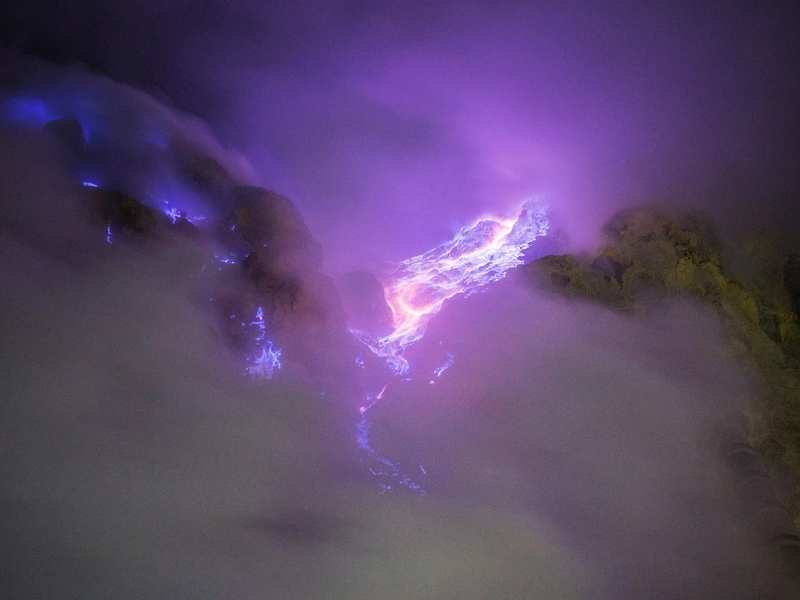
Sometimes you can see faint blue fire from the rim as distant blue glows in the dark, especially on clear, still nights. However, it will be far away and not as dramatic as from inside the crater. The ijen crater sunrise hike tour we describe here does not include descending to the crater floor in the dark, so if blue fire close-ups are your top priority, you should discuss the more demanding blue fire itinerary with us instead.

Is the Ijen sunrise hike suitable for children?

Older children and teenagers who are used to walking and early starts often do well on the sunrise crater rim hike. The path is steep but not technical, and staying on the rim avoids the most hazardous sections. Very young children usually struggle with the combination of cold, darkness, and 3 km of uphill walking. Tell us your children’s ages and how active they are, and we’ll give you an honest recommendation.

What happens if the weather is bad on the day of my hike?

Light rain or cloud does not automatically cancel the hike; many mornings start cloudy and clear partially around sunrise. In case of heavy rain, thunderstorms, or official alerts from the local authorities, access to the mountain or the rim can be delayed or closed. In those situations we will follow local safety directions first and then work with you on possible timing adjustments or alternative activities, depending on your wider itinerary.

How far in advance should I book an Ijen sunrise crater tour from Bali?

For peak months (June–September and major holidays), planning 4–8 weeks ahead helps secure better hotel options and smoother transfer timings. Outside those periods, we can usually arrange a kawah ijen turquoise crater lake tour with shorter notice, sometimes just a few days, but ferry schedules, room availability, and park crowding may be less flexible. Whenever you contact us, we’ll be upfront about what is still realistically possible for your dates.

Scroll to Top