Travel Journal
Underwater Photography & Drone Regulations in Raja Ampat 2027: A Definitive Guide
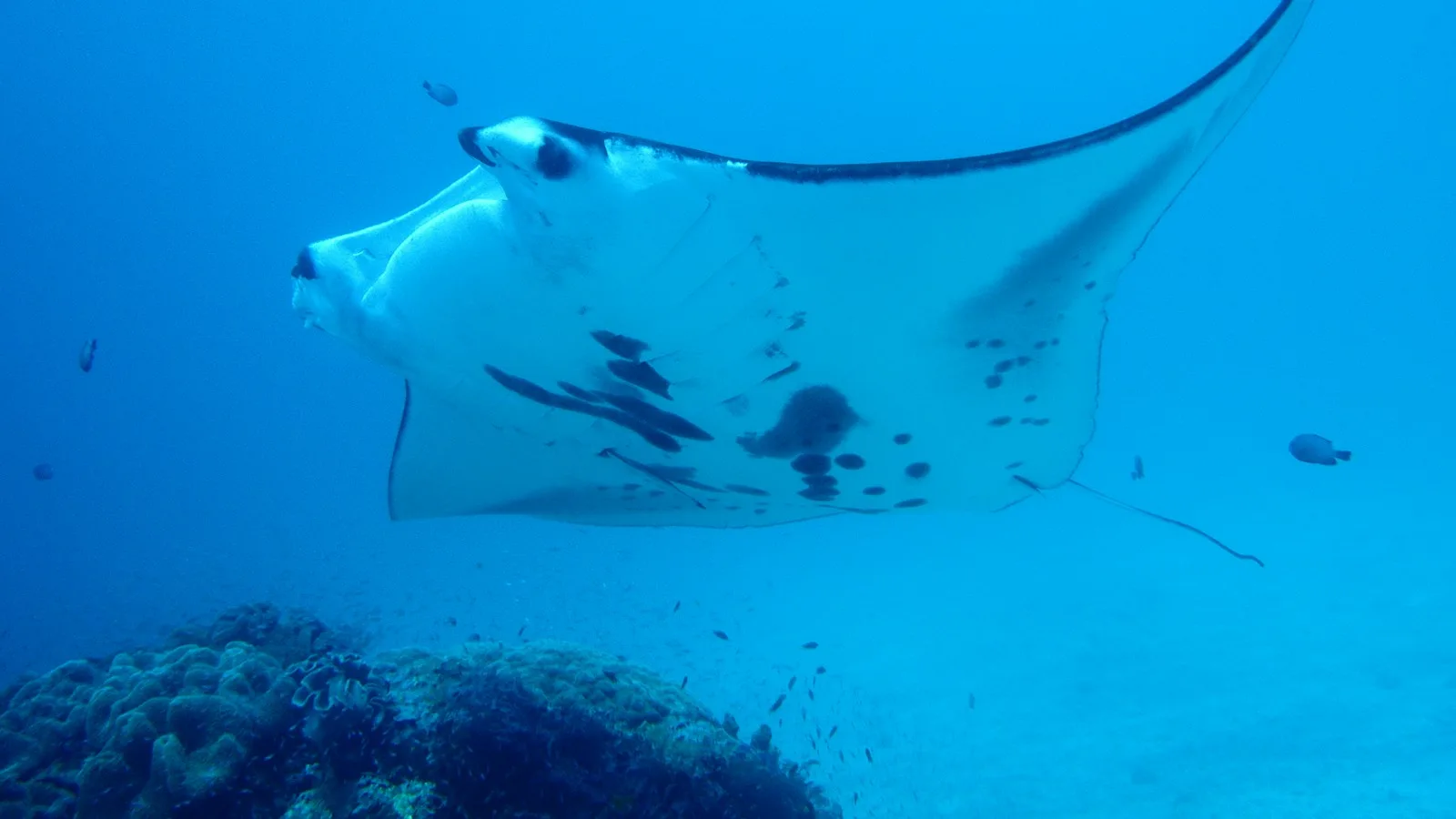
Raja Ampat in 2027 offers underwater photography opportunities, particularly from October to April, with luxury yacht and Phinisi liveaboard charters costing from $3,500 to $105,000 per person for 7 nights. Drone usage is strictly prohibited within the Marine Park without specific governmental permits, a critical regulation for all visitors to observe.
Navigating Raja Ampat’s Underwater Photography Landscape in 2027
Raja Ampat remains a premier destination for underwater photography enthusiasts, drawing professionals and keen amateurs alike to its vibrant coral ecosystems and prolific marine life. The region’s reputation for exceptional biodiversity is well-earned, making it a prime location for capturing stunning subaquatic imagery. Understanding the optimal conditions and available charter options is crucial for planning a successful photography expedition in 2027.
The optimal season for underwater photography in Raja Ampat extends from October to April. During these months, the waters are typically calmer, and visibility reaches its peak, often exceeding 30 metres. This clarity is essential for both wide-angle reefscapes and intricate macro photography, allowing for sharp, detailed images without excessive backscatter. The calmer seas also facilitate easier diving and more stable platforms for photographers operating from liveaboards or day boats.
Photography opportunities abound at sites such as Daram and Pele, known for their immersive coral reefs and dense populations of fish, sharks, and various invertebrates. These locations offer diverse photographic subjects, from schooling barracuda and reef sharks to pygmy seahorses and nudibranchs. Another unique photographic experience is offered by Jellyfish Lake, where visitors can swim with non-stinging jellyfish in crystal-clear water, providing surreal and captivating imagery.
Most full-board luxury charters and dive liveaboards operating in Raja Ampat in 2027 include essential diving equipment, though specialist underwater photography gear must be brought by the individual. It is advisable to ensure your chosen vessel provides adequate space for camera setup and charging, as well as dedicated rinse tanks for sensitive equipment.
Raja Ampat Luxury Yacht & Phinisi Charters for 2027
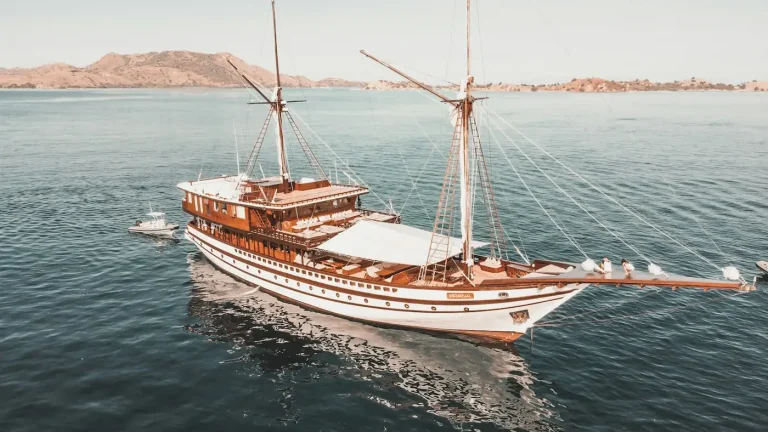
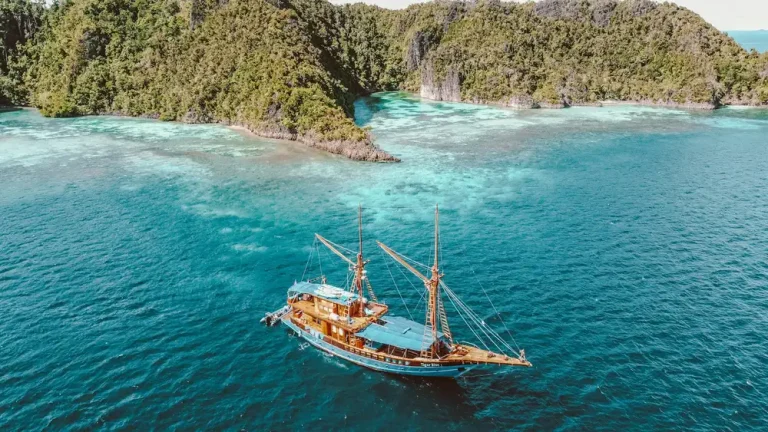
For those seeking to explore Raja Ampat with dedicated photographic goals, a private charter or liveaboard offers the most flexibility and access to remote sites. The 2027 season presents a range of options, from ultra-luxury motor yachts to traditional Indonesian Phinisi vessels, each offering distinct experiences and price points. Charters typically depart from Sorong, the main entry point to the region.
Ultra-luxury immersions for 7-night trips in 2027 can range significantly, with costs between $40,250 and $105,000 per person, depending on the vessel and specific season. These high-end options often include bespoke itineraries, gourmet dining, and personalised service, catering to discerning guests who prioritise comfort and exclusivity.
Mid-tier dive liveaboards for 7 nights are available from $3,500 to $5,000 per cabin, equating to approximately $500 to $700 per person per night. These vessels are purpose-built for diving, offering multiple daily dives and itineraries focused on prime photographic locations. Traditional Phinisi vessels, combining classic aesthetics with modern amenities, can be chartered for $3,500 to $8,000 USD per day, accommodating 6 to 14 guests. Motor yachts offer a higher daily rate, from $5,000 to $15,000 USD, for 8 to 20 guests, providing more speed and sometimes greater comfort.
Expedition sailing yachts are another excellent choice for smaller groups, with daily rates between $4,000 and $10,000 USD for 6 to 10 guests. These offer a more intimate experience, often with a focus on sustainable travel and exploration. New additions to the 2027 fleet, such as the Lamima, are offering all-inclusive 7-night charters from $8,500 to $12,000 USD per person, indicative of the growing luxury market in the region.
Rainforest Cruises provides various options, with Phinisi charters priced at $13,440 USD per day for 5+ days with 14 guests, and private yachts from $3,708 to $10,453 USD per day, depending on the itinerary and flexibility desired. These numbers reflect the premium nature of exploring Raja Ampat on a dedicated charter.
- Marine Park Entry Permit: Approximately $45 USD per person, a mandatory fee.
- Crew Gratuity: Typically 5–10% of the charter fee, expected for excellent service.
2027 note: Prices and availability are subject to change and should be confirmed directly with charter operators. Early booking is highly recommended, especially for peak season travel, given the increasing demand for luxury and specialist charters in Raja Ampat.
Critical Drone Regulations in Raja Ampat Marine Park 2027
One of the most crucial pieces of information for any visitor to Raja Ampat in 2027, particularly those carrying photographic equipment, concerns drone usage. The regulations are unequivocal and strictly enforced: drone flight is generally prohibited within the Raja Ampat Marine Park without specific government permits.
This regulation is in place to protect the delicate ecosystems, minimise disturbance to wildlife, and maintain the tranquility of the protected area. The Marine Park encompasses vast areas, and visitors should assume that any area within its boundaries is subject to this ban unless explicitly stated otherwise or if a permit has been secured.
Obtaining a permit for drone operation is a complex and time-consuming process, requiring direct application to the relevant Indonesian governmental authorities. It is not a straightforward ‘on-arrival’ procedure, and applications must be made well in advance, often months prior to travel. The requirements typically include detailed flight plans, justification for the drone use (e.g., scientific research, professional documentary filming with official backing), and adherence to strict operational guidelines.
We strongly advise against attempting to fly a drone without the correct permits. Violations can lead to significant fines, confiscation of equipment, and potential legal repercussions. Furthermore, such actions undermine conservation efforts and can negatively impact the local community’s relationship with visitors. Respecting these regulations is paramount for preserving the pristine environment that makes Raja Ampat so special.
Visitors primarily interested in aerial photography are encouraged to explore alternative methods, such as utilising professional aerial photography services that already hold the necessary permits, or focusing on land-based photography from permitted viewpoints where traditional cameras can capture the stunning landscapes. It is imperative that all guests on charter vessels are briefed on these drone regulations by their operators prior to and during their trip.
Essential Equipment & Best Practices for Underwater Photography
To maximise your underwater photography success in Raja Ampat, selecting appropriate equipment and employing best practices are essential. The diversity of marine life calls for versatility in your gear.
| Equipment Category | Recommended Items | Purpose |
|---|---|---|
| Camera System | Mirrorless or DSLR camera with underwater housing | High-resolution images, interchangeable lenses |
| Lenses | Wide-angle rectilinear (e.g., 16-35mm), Macro (e.g., 60mm, 100mm) | For reefscapes, large marine life; for small creatures, nudibranchs |
| Lighting | External strobes (2 units recommended), Video lights | Restoring colour, reducing backscatter, illuminating subjects |
| Accessories | Dome port (for wide-angle), Flat port (for macro), Focus light, Buoyancy arms, Spare batteries, Memory cards, O-ring kit | Optimal image quality, maintenance, backup |
| Post-Processing | Laptop with editing software (e.g., Adobe Lightroom, Photoshop) | Enhancing images, colour correction, cropping |
Beyond the gear, responsible diving and photography practices are vital. Maintain neutral buoyancy to avoid contact with corals or marine life. Minimise disturbance to subjects, particularly when photographing shy or sensitive species. Plan your shots carefully to reduce repetitive movements and conserve air. Always prioritise the welfare of the marine environment over getting a specific shot.
FAQ
What is the best time of year for underwater photography in Raja Ampat?
The optimal season for underwater photography in Raja Ampat is from October to April. During these months, the waters are typically calm, and visibility is at its peak, providing ideal conditions for capturing high-quality images of marine life and coral reefs.
Are drones allowed in Raja Ampat Marine Park for personal use?
No, drone use is strictly prohibited within the Raja Ampat Marine Park without specific governmental permits. Obtaining such permits is a complex and lengthy process, generally reserved for professional, officially sanctioned projects. Visitors should not expect to fly drones for personal use.
What are the typical costs for a 7-night luxury liveaboard in Raja Ampat in 2027?
For 2027, 7-night luxury liveaboard charters in Raja Ampat can range from $40,250 to $105,000 per person for ultra-luxury options. Mid-tier dive liveaboards might cost $3,500 to $5,000 per cabin. Daily rates for traditional Phinisi vessels range from $3,500 to $8,000 USD.