Uncategorized
Ijen Weather, Visibility & Rainy Season Conditions — What to Expect
Understand Ijen crater tour weather conditions, blue-fire visibility, and rainy season challenges. Anindya Kirana shares honest insights for your trek.
Kawah Ijen’s blue fire and turquoise crater lake are compelling sights, but experiencing them depends heavily on Ijen crater tour weather conditions. Understanding what to expect, especially regarding visibility and the impact of the rainy season, is crucial for planning your trek. This guide breaks down the real-world conditions you might encounter, from clear, starry dry-season nights to the challenges of fog and rain.
Ijen Weather, Visibility & Rainy Season Conditions — What to Expect
I’ve walked the Kawah Ijen rim at 2 a.m. in almost every condition imaginable. More than a hundred times, I’ve seen the blue flames dance, or watched them disappear behind a wall of fog. I’ve guided trekkers through downpours and under brilliant starlight. The raw truth about Ijen is this: it’s a wild, active volcano, and its moods are dictated by nature. Your experience will be shaped by the weather.
The primary goal of many visitors is to witness the famous blue fire. However, the ijen blue fire not visible reasons are many. They include dense cloud cover, heavy rain, thick volcanic gas, the brightness of the moon, and official park closures. We aim to set realistic expectations for your ijen crater tour visibility forecast conditions.
The Two Seasons of Kawah Ijen: Dry vs. Rainy
Like much of Indonesia, Ijen experiences two main seasons: the dry season and the rainy season. Each brings its own set of characteristics that directly affect trekking conditions and visibility.
Dry Season: May to October
The dry season is generally considered the best time of year to see ijen blue fire weather. Expect clearer skies, less rainfall, and more stable trekking conditions.
- Weather: Days are typically sunny, and nights are often clear. Rainfall is minimal, mostly short, isolated showers.
- Temperature: During the day, temperatures at the Paltuding base camp (around 1,850m elevation) can range from 18-25°C (64-77°F). At the crater rim (approximately 2,300m elevation), nighttime temperatures can drop significantly, often between 8-15°C (46-59°F). On particularly cold nights, it might dip lower.
- Visibility: Excellent. Clear skies mean uninterrupted views of the stars, the blue fire, and the sunrise over the crater lake. Gas dispersion tends to be better with more stable winds.
- Trekking Conditions: Trails are usually dry and less slippery, making the ascent and descent easier.
- Crowds: This is peak season. Expect more trekkers on the trail, especially on weekends and public holidays.
Rainy Season: November to April
The ijen volcano rainy season november april visibility can be challenging. While still possible to trek, you need to be prepared for different conditions.
- Weather: Expect more frequent and heavier rainfall, often in the afternoons and evenings, but sometimes through the night. Mornings can still be clear, but fog and mist are common.
- Temperature: Similar to the dry season, but humidity is higher. Nighttime temperatures at the rim can still be cold, potentially 5-12°C (41-54°F), especially if it’s raining or very windy. The cold feels more piercing when you’re damp.
- Visibility: Reduced. Rain, fog, and low-hanging clouds can obscure the blue fire, the crater lake, and sunrise views. There might be short windows of clarity, but sustained clear views are less common.
- Trekking Conditions: Trails become muddy and very slippery. The descent into the crater (if permitted) is particularly challenging and requires extreme caution. Rain can make rocks slick and pathways treacherous.
- Crowds: Generally fewer trekkers, offering a more solitary experience if you don’t mind the rain.
Ijen Crater Temperature at Night: Pack Cold Layers
Regardless of the season, the ijen crater temperature night cold layers celsius is a critical factor. You are ascending a mountain in the middle of the night. At the Paltuding base camp (1,850m), it’s cool. By the time you reach the crater rim (around 2,300m), temperatures will have dropped further.
I always advise trekkers to dress in layers. Here’s a typical setup that works:
- Base Layer: A moisture-wicking long-sleeve shirt.
- Mid-Layer: A fleece jacket or thick sweater.
- Outer Layer: A waterproof and windproof jacket. This is non-negotiable, even in the dry season, as winds can pick up.
- Bottoms: Comfortable trekking pants. Avoid jeans, which get heavy and cold when wet.
- Accessories: Beanie or warm hat, gloves, and a scarf or buff are essential. Your extremities lose heat quickly.
Remember, you’ll be exerting yourself on the ascent, so you might feel warm. But once you stop at the rim, or descend into the crater, your body temperature will drop quickly. Having layers you can shed and add back on is key to staying comfortable and safe. I’ve seen too many people underestimate the cold and end up shivering through what should be an incredible experience.
Why the Blue Fire Might Not Be Visible: Real Talk
The blue fire is a natural phenomenon, the combustion of sulfuric gases escaping from cracks in the volcano. It’s not a guaranteed spectacle. Here are the main ijen blue fire not visible reasons to consider:
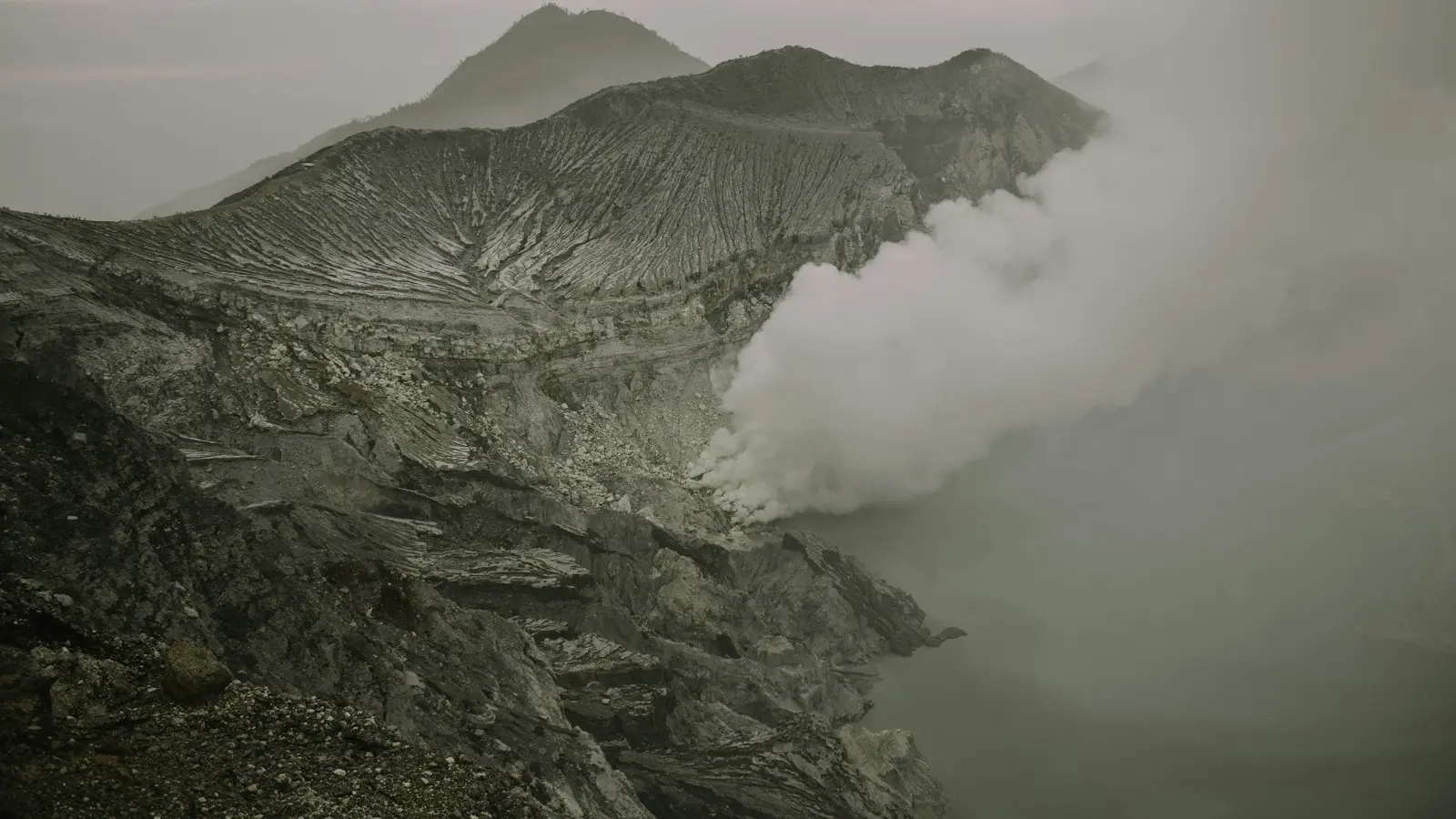
- Cloud and Fog: This is the most common culprit. Low-hanging clouds and dense fog can completely obscure the blue fire, the crater lake, and sunrise views. This is particularly prevalent during the rainy season but can occur at any time.
- Rain: Heavy rain can wash out the glow, make visibility almost zero, and make the descent into the crater unsafe, leading to temporary closures of that specific trail section.
- Smoke and Gas Volume: Kawah Ijen is an active volcano. The volume and direction of sulfur gas emissions change constantly. If the gas is too dense or blowing directly into the blue fire area, it can make it impossible or unsafe to get close enough to see it. It can also simply obscure the flames.
- Moonlight: On nights with a full or nearly full moon, the natural light can significantly diminish the visibility of the blue fire. It’s still there, but less vibrant against the brighter backdrop. For the most dramatic blue fire views, aim for a new moon phase.
- Park Closures: The most important factor. Kawah Ijen is periodically closed by the national park authority (BBKSDA) or PVMBG (Centre for Volcanology and Geological Hazard Mitigation) due to heightened volcanic activity, excessive gas levels, severe weather, or maintenance. These closures are for your safety and are non-negotiable. Our guides will always defer to official park rangers and PVMBG advisories for day-of go/no-go calls.
Ijen Tour Weather Conditions Rain: Trekking Challenges
Trekking Kawah Ijen during the ijen tour weather conditions rain presents specific challenges. It’s not just about visibility; it’s about safety and comfort.
- Slippery Trails: The main trail from Paltuding to the rim is a well-trodden path, but it becomes very slick when wet. The loose volcanic soil turns to mud. Proper trekking shoes with good grip are absolutely essential.
- Crater Descent: The informal path down to the blue fire area inside the crater is steep, rocky, and uneven. In the rain, it becomes extremely treacherous. Park authorities often close this specific section during heavy rain or when conditions are deemed unsafe. Even if open, proceed with extreme caution and follow your guide’s instructions precisely.
- Hypothermia Risk: Getting wet and cold at altitude increases the risk of hypothermia. Waterproof layers are vital.
- Equipment Protection: Your camera gear, phone, and other electronics need to be protected from rain. Waterproof bags or covers are recommended.
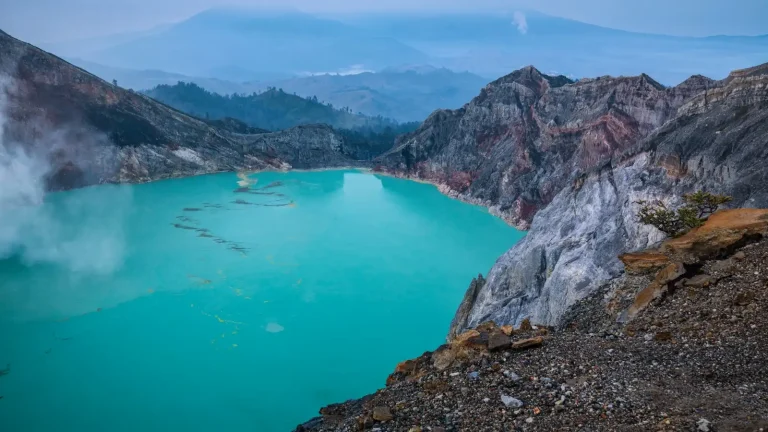
Despite these challenges, a rainy season trek can offer a unique, moody experience. The crater lake often appears even more vibrant against the grey skies, and the fewer crowds can make for a more personal encounter with the mountain.
Forecasting Ijen Crater Tour Visibility Conditions
Accurate, real-time weather forecasting for a specific mountain crater like Ijen is difficult. General weather apps might give you a broad idea for the region, but microclimates around the volcano mean conditions can change rapidly.
- Local Knowledge: The best “forecast” comes from the local guides and park rangers who are on the ground daily. They understand the patterns of cloud movement, wind, and gas emissions.
- Online Resources: Check general weather forecasts for Banyuwangi or Bondowoso (the nearest major towns). Websites like AccuWeather or NOAA can give you a starting point, but don’t rely solely on them for mountain conditions.
- PVMBG Advisories: For volcanic activity and gas levels, always refer to official PVMBG statements. These are critical for safety and potential closures. Our Bali Premium Trip team constantly monitors these advisories.
When you book with us, our Bali Premium Trip reservations team will provide you with the latest information leading up to your trip. We work closely with our licensed, vetted on-ground guides who have the most current insights into conditions.
Planning Your Ijen Trek with Bali Premium Trip
complexities of ijen crater tour weather conditions and ensuring a safe, informed experience is where Bali Premium Trip excels. We don’t just book a trip; we meticulously plan it, accounting for variables like weather, safety, and local regulations.
Our team in Bali handles all the logistics:
- Expert Guidance: We provide detailed pre-trek information, including what to pack for varying weather conditions and how to prepare physically.
- Licensed Local Guides: Our on-ground guides are licensed, experienced, and have deep knowledge of Ijen’s trails and current conditions. They are trained in safety protocols and first aid.
- Timely Information: We monitor weather patterns and official advisories, adjusting timings or providing alternatives if necessary. We will always prioritize your safety.
- Seamless Logistics: From private transfers from Bali to Java, to arranging permits and ensuring you have the necessary safety equipment (like gas masks), we handle it all.
We operate with full transparency. For instance, a 2-day/1-night private Ijen trip from Bali, including transfers, licensed guide, permits, and basic accommodation, typically ranges from US$275-550 per person, based on two travelers. This indicative price range, last verified June 2026, varies depending on your chosen accommodation level and specific inclusions. We pride ourselves on offering fair, direct pricing without third-party markups, as bookings are handled directly by our Bali Premium Trip reservations team. We arrange (not own) third-party services such as park jeeps, local guides, and permits via our trusted local partners, ensuring you benefit from local expertise and support.
The trek itself covers approximately 3 kilometers one way from Paltuding to the crater rim, ascending about 450-500 meters in elevation. It typically takes 1.5 to 2.5 hours to reach the rim, depending on fitness levels and trail conditions.
Whether you plan for the ijen blue fire tour weather conditions dry season or are prepared for the ijen tour rainy season visibility conditions, we ensure you are well-informed and equipped. We will tell you frankly if conditions are likely to be challenging or if visibility might be compromised. Our commitment is to honesty and safety, not just sales.
Ready to understand what your body and lungs are in for? Plan your trip with us today. Our Bali Premium Trip reservations team is available via WhatsApp to discuss your ideal Ijen adventure.
Frequently Asked Questions
Is the Kawah Ijen blue fire visible every night?
No, the blue fire is not visible every night. Its visibility depends heavily on factors like cloud cover, fog, rain, the volume and direction of volcanic gas, and the brightness of the moon. It is a natural phenomenon, and while typically present, optimal viewing conditions are not guaranteed.
What is the best month to visit Ijen for good weather?
The dry season, from May to October, generally offers the best weather for visiting Ijen. During these months, skies are clearer, rainfall is minimal, and trekking conditions are more stable, increasing your chances of seeing the blue fire and sunrise.
How cold does it get at the Ijen crater rim at night?
At the Kawah Ijen crater rim (approximately 2,300m elevation), nighttime temperatures typically range from 8-15°C (46-59°F) in the dry season and 5-12°C (41-54°F) in the rainy season. However, strong winds can make it feel much colder. Packing warm layers, including a hat and gloves, is essential.
What happens if it rains during my Ijen blue fire tour?
If it rains, your Ijen blue fire tour will generally still proceed, but conditions will be more challenging. Trails become slippery, visibility may be reduced, and the descent into the crater might be closed for safety. Your guide will assess conditions continuously and prioritize your safety, potentially adjusting the itinerary.
Can I still see the Ijen crater lake if the blue fire isn’t visible?
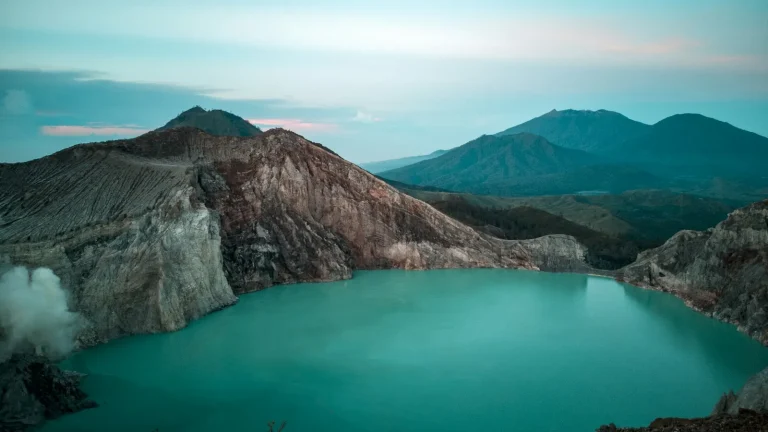
Yes, even if the blue fire isn’t visible due to conditions, you may still be able to see the turquoise crater lake after sunrise, once daylight breaks and if the clouds or fog lift. The lake is a magnificent sight in itself.
Plan your trip with Bali Premium Trip today. Our team will help you prepare for all conditions and ensure a well-organized Ijen experience. You can reach our reservations team directly via WhatsApp for personalized planning.