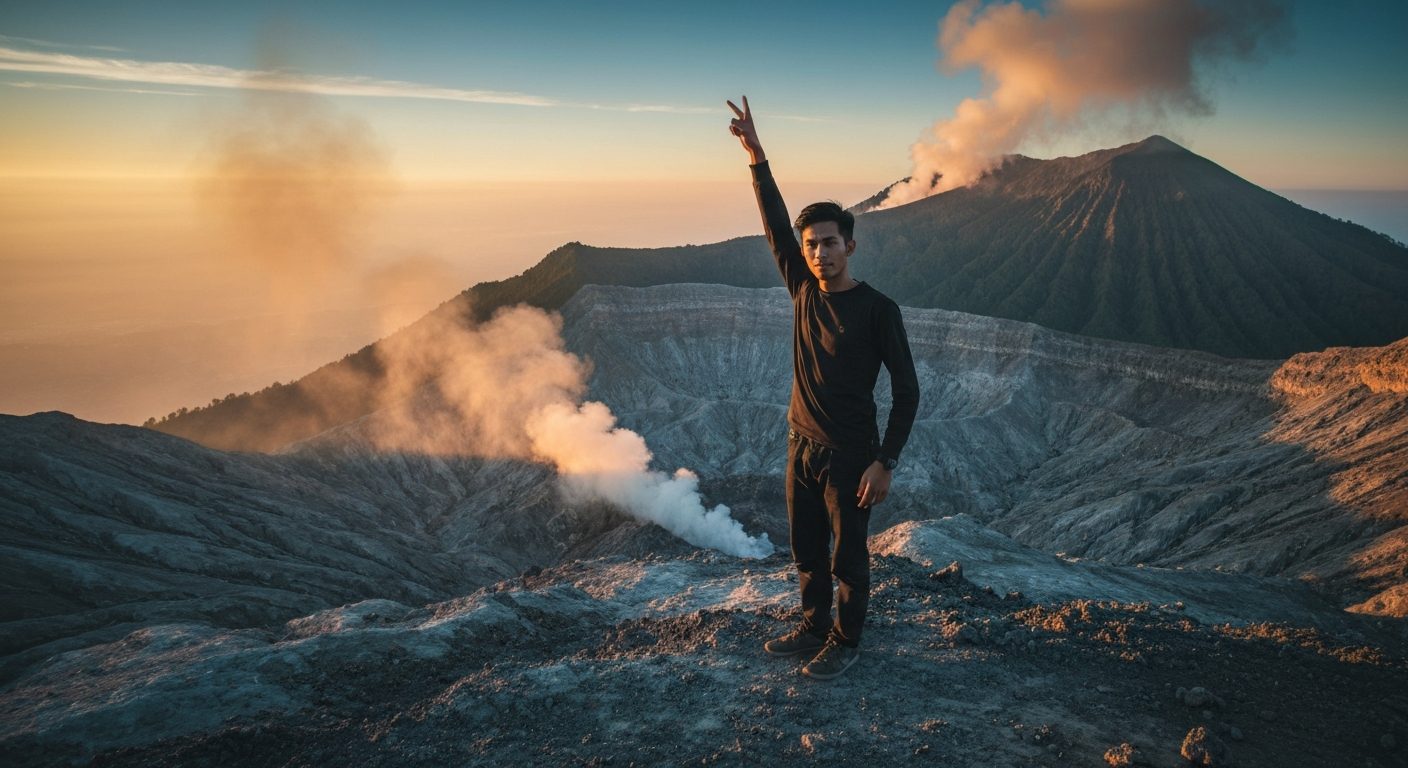
As Galih Pratomo, East Java Logistics & Routes Researcher, my job is to ensure every Ijen Crater hike is planned down to the last detail so you arrive ready. Knowing what to bring and wear for the Ijen Crater trek is the first step to a comfortable and safe experience. Forget what you think you know about tropical Indonesia; Ijen is a high-altitude challenge, demanding specific gear to combat the pre-dawn cold, the dark, and the unique environment of a sulfurous volcano.
Why a Specific Ijen Packing List Matters: Preventing What Goes Wrong
Many travellers underestimate the Ijen trek. They arrive at Paltuding post in shorts and flip-flops, expecting a gentle stroll, only to face near-freezing temperatures and a steep, dark, volcanic path. This isn’t a gentle tourist attraction; it’s a raw, active volcano at ~2,400 meters above sea level. Without the right gear, you risk discomfort, cold, injury, and even health issues from the sulfur gas. My goal here is to give you a packing list that prevents those common pitfalls, ensuring you focus on the incredible blue fire and sunrise, not on shivering or slipping.
The Ijen Environment: Cold, Dark, Steep, and Sulfurous
Imagine stepping out of your vehicle at Paltuding post around 1:00 AM. The air is sharp, often dropping to 2-8°C (35-46°F) before dawn. Ahead lies a 3-kilometer uphill climb, pitch black save for the bobbing headlamps of fellow hikers. The path is volcanic gravel, loose and uneven in places, especially on the steep sections. Once you reach the crater rim, the real challenge begins: a descent into the crater itself, navigating more loose rock and the ever-present, acrid smell of sulfur gas. This isn’t a walk in the park; it’s a midnight adventure demanding respect and preparation.
What to Wear for Ijen: Layers Are Key for a Comfortable Trek
The temperature swings dramatically at Ijen. It’s freezing before dawn, but as you hike uphill, your body generates heat. By sunrise, with the sun on your back, it can feel quite warm. A layered clothing system is non-negotiable.
Base Layer: Wicking Away Moisture
Your base layer sits directly against your skin. Its primary job is to wick sweat away, keeping you dry. Wet clothes in cold weather lead to rapid heat loss.
- Long-sleeve thermal top: Merino wool or synthetic materials are best. Avoid cotton; it absorbs sweat and stays wet, making you cold.
- Thermal leggings or quick-dry hiking pants: Again, synthetics or merino are ideal. Some prefer just quick-dry hiking pants if they tend to run warm.
Mid Layer: Insulation for Warmth
This layer provides warmth. You’ll likely wear this over your base layer at Paltuding and for the initial part of the trek.
- Fleece jacket or lightweight down jacket: A good quality fleece (200-300 weight) or a packable down jacket provides excellent insulation. You might shed this once you start hiking vigorously.
- Insulated vest (optional): Some prefer a vest for core warmth without restricting arm movement.
Outer Layer: Protection from Wind and Rain
Ijen’s weather can be unpredictable. Wind chill at 2,400 meters is significant, and rain, especially during the wet season, is always a possibility.
- Waterproof and windproof jacket: A lightweight shell jacket is perfect. It blocks the wind and keeps you dry if it rains. Even in the dry season, the wind protection is crucial.
- Waterproof pants (optional): If you anticipate heavy rain or prefer extra protection, lightweight waterproof overtrousers can be useful, especially in the wet season (November to April).
Headwear: Trapping Heat
A significant amount of body heat escapes through your head. Keep it covered.
- Warm beanie or wool hat: Essential for the pre-dawn cold.
- Buff or neck gaiter: Versatile for protecting your neck, face, and even ears from cold and dust. Can also be pulled up over your mouth and nose for light protection against sulfur fumes (though not a substitute for a gas mask).
Handwear: Keeping Fingers Functional
Cold hands are uncomfortable and make gripping trekking poles or holding a camera difficult.
- Gloves: Lightweight fleece or wool gloves are usually sufficient. Waterproof gloves might be considered for the wet season.
Footwear: The Foundation of a Safe Trek
This is arguably the most critical item. The path is uneven, rocky, and often slippery with loose volcanic scree.
- Sturdy hiking shoes or boots: We’ll dive deeper into this below, but think good grip, ankle support, and closed toes.
The Ultimate Ijen Packing List: What to Carry
Beyond what you wear, a small daypack will hold your essentials for the trek. Pack light but smart.
- Essential Safety Gear (Supplied or Rented)
-
- Gas Mask: Absolutely mandatory for descending into the crater and highly recommended on the rim if the wind shifts. These are usually rented at Paltuding post (approx. IDR 25,000-50,000, last verified June 2026) or supplied by your tour operator. Ensure it fits snugly and you understand how to use it.
- Headlamp with spare batteries: Your phone flashlight is NOT adequate. You need a powerful headlamp to navigate the dark, uneven trail hands-free. A minimum of 200 lumens is recommended. Check batteries before you leave.
- Local Licensed Guide: While not a ‘packing’ item, a guide is crucial. For your safety, especially when descending into the crater for the blue fire, a local, licensed guide is highly recommended by us and often mandatory by park regulations for crater descent. They know the terrain, the gas conditions, and can assist in emergencies. Bali Premium Trip arranges for vetted, licensed guides.
- Personal Essentials
-
- Small Backpack (15-25L): To carry your layers, water, snacks, and personal items.
- Water (1-2 liters): Hydration is key, especially when hiking at altitude. Carry enough for the entire trek.
- Snacks: Energy bars, chocolate, nuts, or fruit are great for quick energy boosts.
- Personal First-Aid Kit: Small blister plasters, pain relievers, antiseptic wipes, any personal medications.
- Sunscreen and Lip Balm: Even before sunrise, UV exposure at altitude is high. Once the sun is up, it’s intense. Lip balm with SPF is also advised.
- Small Towel: For wiping sweat or drying off if it rains.
- Toilet Paper/Tissues: Facilities are basic or non-existent on the trail.
- Power Bank: For charging your phone or camera, as cold drains batteries faster.
- Camera: To capture the blue fire and sunrise, but protect it from dust and potential sulfur fumes.
- Small rubbish bag: Pack it in, pack it out. Keep Ijen clean.
- Optional Comfort Items
-
- Trekking Poles: Highly recommended for stability on the steep, loose sections, especially on the descent into the crater and back up. They save your knees.
- Sunglasses: Essential for protecting your eyes from the bright sun and reflected light once it rises.
- Extra socks: A fresh pair for after the trek or if your first pair gets wet.
Best Footwear for Ijen Crater Hike: Grip and Ankle Support
This cannot be stressed enough: the best shoes for Ijen Crater hike are sturdy, closed-toe, and have excellent grip. Flip-flops, sandals, or fashion sneakers are completely inappropriate and dangerous.
Ijen Crater hiking boots requirements:
- Good Ankle Support: The trail is uneven, with loose rocks and gravel. Twisting an ankle is a real risk. Mid-cut hiking boots offer crucial support.
- Aggressive Tread/Grip: You need traction for steep, slippery, and often dusty or muddy sections. Look for shoes with deep lugs.
- Closed-Toe and Durable: Protect your feet from falling rocks and sharp volcanic debris.
- Comfortable and Broken-In: Do not wear brand-new shoes. Ensure they are comfortable for long walks to prevent blisters.
- Water-Resistant (optional but recommended): Especially during the wet season, a waterproof membrane (like Gore-Tex) keeps your feet dry.
Many people arrive with inadequate footwear, leading to slips, falls, and discomfort. Invest in proper hiking shoes or boots. Your feet will thank you.
Gas Masks at Ijen: Your Essential Safety Gear
When considering what to bring or wear for Ijen blue fire, the gas mask is non-negotiable for anyone planning to descend into the crater. The blue fire phenomenon occurs at the bottom of the crater, close to where sulfur miners work. Here, concentrations of sulfur dioxide gas (SO2) are high.
- Purpose: A gas mask with proper filters (typically P100 or ABEK filters) protects your respiratory system from the toxic fumes. Without it, you risk severe coughing, eye irritation, shortness of breath, and even more serious health issues.
- Source: We, Bali Premium Trip, ensure that gas masks are provided by your local guide for your safety. Alternatively, basic masks can be rented at the Paltuding post, though the quality and fit can vary. Having one arranged by your tour operator ensures better quality and fit.
- Usage: Your guide will instruct you on when and how to wear it. Pay attention to wind direction; even on the rim, a sudden shift can bring a cloud of gas your way.
Remember, the gas mask is not a suggestion; it is a critical safety item for the Ijen Crater trek.
What to Leave Behind
To make your trek more enjoyable, avoid carrying unnecessary items.
- Large suitcases: Leave these securely in your vehicle or accommodation. You only need a small daypack.
- Valuables: Minimize jewelry, excessive cash, or irreplaceable items. Carry only what you need.
- Cotton clothing: As mentioned, cotton absorbs moisture and doesn’t dry quickly, making you cold.
- Heavy books or electronics (beyond camera/phone): This is a hike, not a leisure read.
- Unnecessary toiletries: Stick to essentials.
Season-Aware Packing: Dry vs. Wet Season Considerations
Ijen experiences two main seasons:
- Dry Season (May to October): Generally clearer skies, less rain, but dustier trails. Temperatures can still drop significantly at night.
- Consider: More emphasis on dust protection (buff, sunglasses), lighter waterproof shell (less rain, more wind protection).
- Wet Season (November to April): Higher chance of rain, making trails muddy and slippery. Visibility can be reduced.
- Consider: Definitely bring a good waterproof jacket and pants. Ensure your hiking shoes are water-resistant. A waterproof pack cover for your backpack is highly recommended. The air might feel slightly less cold due to humidity, but wet clothes are dangerous.
Regardless of the season, the core packing list remains similar. It’s more about emphasizing certain aspects.
Typical Ijen Tour Costs & What’s Included
When you plan your Ijen adventure, understanding the costs helps you budget. A typical multi-day Ijen tour, often starting from Bali or Surabaya, will include transfers, accommodation, permits, and a local guide.
For a 2-day/1-night or 3-day/2-night Ijen trip from Bali, including return transfers, accommodation near Ijen, park entrance fees, local guide fees, and gas mask provision, you might expect an indicative price range of US$180-350 per person (last verified June 2026). This range varies depending on the level of accommodation, the duration of the trip, group size, and specific inclusions. Prices are generally higher for solo travellers and during peak season.
With Bali Premium Trip, you book directly with our reservations team. We provide transparent, published rates with no hidden third-party markups. While we arrange third-party services like park jeeps, licensed local guides, and permits via our vetted local partners, we manage the entire booking process from Bali, ensuring quality and consistency.
Ready to experience Ijen with confidence, knowing you’re fully prepared?
Plan your trip with us today via our website or WhatsApp for personalized itinerary planning.
Frequently Asked Questions
Do I really need a gas mask for Ijen?
Yes, absolutely. If you plan to descend into the crater for the blue fire, a gas mask with proper filters is mandatory for your safety. Sulfur dioxide gas concentrations are high and can cause severe respiratory irritation and other health issues. Even on the crater rim, a sudden shift in wind can bring gas clouds, making a mask essential.
Can I wear sneakers for the Ijen hike?
While some people do, we strongly advise against it. The trail is steep, uneven, and covered in loose volcanic gravel and rocks. Standard sneakers lack the necessary grip, ankle support, and durability for these conditions, greatly increasing your risk of slipping, falling, or twisting an ankle. Sturdy hiking shoes or boots with good ankle support and aggressive tread are highly recommended.
How cold does it get at Ijen Crater?
It gets surprisingly cold, especially before dawn. At ~2,400 meters above sea level, temperatures at the Paltuding post and crater rim can drop to 2-8°C (35-46°F). This is why a layered clothing system, including warm base layers, a fleece, and a windproof jacket, along with a hat and gloves, is crucial for comfort and safety.
What is the best time of year to hike Ijen?
The dry season, from May to October, generally offers clearer skies and less rain, making for more comfortable trekking conditions and better visibility for the blue fire and sunrise. However, the wet season (November to April) also offers its own unique beauty, though you should be prepared for muddy trails and potential rain with appropriate waterproof gear. The core packing list remains similar regardless of the season.
Do I need a guide for the Ijen trek?
For the blue fire descent into the crater, a local, licensed guide is highly recommended by us and often mandatory by park regulations. They are intimately familiar with the terrain, the volatile gas conditions, and can provide critical assistance and safety oversight. For the entire trek to the rim, while not always strictly mandatory, a guide significantly enhances safety and provides valuable insights into the environment and local culture. Bali Premium Trip arranges for vetted, licensed guides as part of our tour packages.
A well-prepared traveller is a happy and safe traveller. With this guide, you have the knowledge to pack smart and focus on the incredible natural wonder that is Kawah Ijen. We look forward to helping you plan your journey. Contact Bali Premium Trip today to start planning your Ijen adventure via our website or WhatsApp.