Uncategorized
Ijen Crater Closures, Restrictions & First-Friday Maintenance Days
Plan your Ijen tour around closures. We explain when the ijen tour closed first friday month maintenance applies, plus other access restrictions, quotas, a
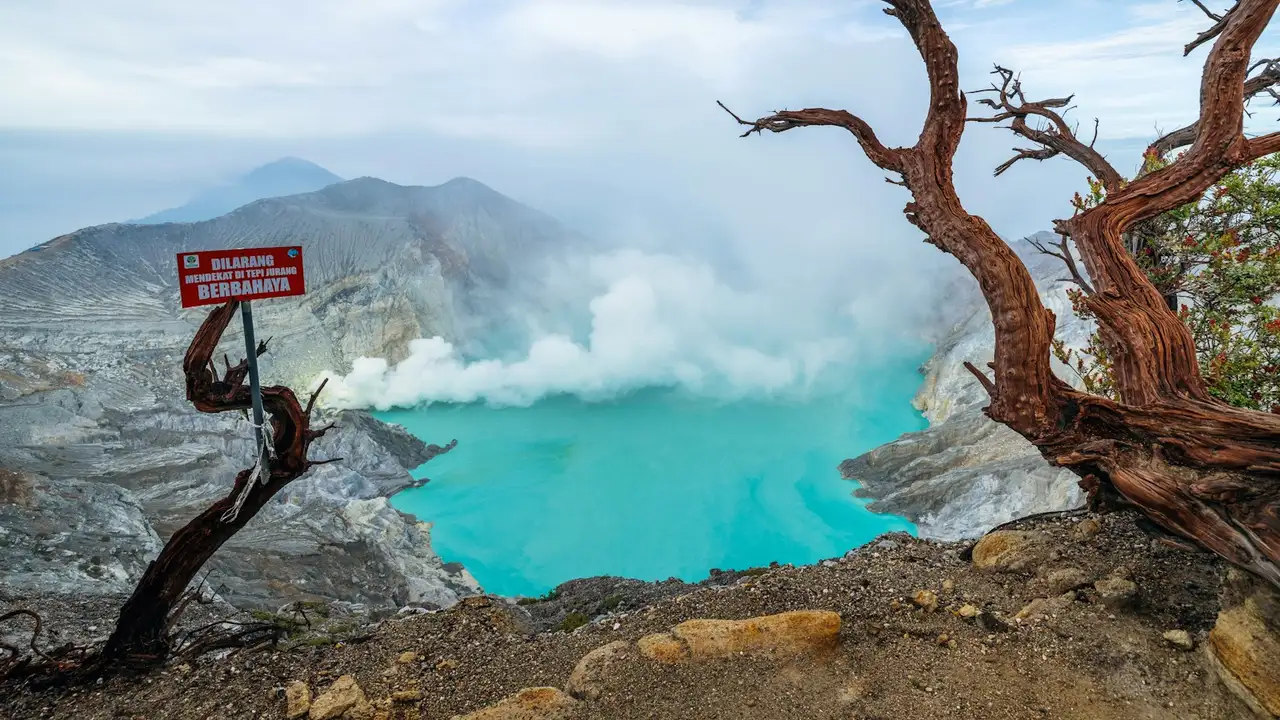
If you’re planning an Ijen tour, understanding access rules is crucial, especially regarding recurring closures. The most consistent of these is when the ijen tour closed first friday month maintenance rule applies, meaning the entire Kawah Ijen conservation area is closed to all visitors for essential upkeep. This proactive measure ensures the safety and preservation of the unique volcanic environment.
As Fitri Handayani, a Volcano Safety & Sulfur-Gas Analyst at Ijen Tour Package, my role is to help you understand the realities of trekking Kawah Ijen, from sulfur gas exposure to the acidic crater lake and, critically, the access regulations. Our aim at Ijen Tour Package, operated by Bali Premium Trip, is to provide clear, honest guidance so you can plan your trip effectively, avoiding disappointment at a locked gate. This comprehensive guide covers not just the first-Friday maintenance days but also other reasons for is ijen crater closed access restrictions safety, daily visitor quotas, and how these factors impact your travel plans.
—
Understanding Ijen Crater Tour First Friday Monthly Closure
The ijen crater tour first friday monthly closure is a long-standing, predictable restriction imposed by the local conservation authority, Balai Besar Konservasi Sumber Daya Alam (BKSDA) Jawa Timur. On the first Friday of every month, from midnight until midnight, access to Kawah Ijen—including both the blue-fire trek and the crater rim—is completely closed.
This isn’t a random event; it’s a scheduled, essential maintenance day. Imagine a mountain trail that sees hundreds, sometimes thousands, of trekkers daily. Over time, paths erode, safety railings might loosen, and general wear and tear accumulates. These monthly closures allow park staff, often alongside local community members, to conduct vital trail repairs, clean up litter, maintain safety infrastructure, and monitor the ecological health of the area without the presence of visitors. It’s a crucial measure for both visitor safety and environmental preservation.
For trekkers, this means if your planned visit falls on the first Friday of any given month, you will not be able to access the crater. This is why it’s imperative to check the calendar when you’re considering your ijen tour 2026 2027 regulations changes and future travel dates.
Why Does Ijen Close for Maintenance?
The reasons behind the first-Friday closures are fundamentally about sustainability and safety. Kawah Ijen is not just a popular tourist destination; it’s an active volcano with a highly acidic crater lake, a unique ecosystem, and a working sulfur mine.
- Trail Upkeep and Safety Checks: The trek to the crater, especially the descent to the blue fire area, involves steep, sometimes uneven, and rocky terrain. Regular maintenance ensures that ropes, railings, and pathways are secure. This includes clearing minor landslides, repairing damaged steps, and reinforcing viewing platforms. Without these checks, the risk of accidents would significantly increase.
- Environmental Preservation: The Ijen caldera is a protected area. Maintenance days allow for systematic waste collection, erosion control efforts, and monitoring of flora and fauna, minimizing human impact on the delicate ecosystem.
- Volcanic Monitoring Infrastructure: Essential equipment for monitoring volcanic activity, such as seismographs and gas sensors, also requires periodic checks and calibration. While PVMBG (Pusat Vulkanologi dan Mitigasi Bencana Geologi) handles the primary volcanic monitoring, park staff assist with access and local infrastructure needs.
- Local Community Involvement: These days often involve local villagers and sulfur miners, fostering a sense of shared responsibility for the site and providing opportunities for community engagement in conservation efforts.
In essence, these closures are an investment in the long-term viability and safety of Kawah Ijen as a natural wonder accessible to visitors.
—
Other Reasons for Ijen Crater Closures and Access Restrictions
Beyond the predictable first-Friday maintenance, Kawah Ijen’s access can be affected by several other factors, often with little to no prior warning. Being aware of these helps in understanding the dynamic nature of volcanic tourism.
Seismic and Volcanic Activity Updates
Kawah Ijen is an active stratovolcano. Its status is continuously monitored by PVMBG, Indonesia’s Center for Volcanology and Geological Hazard Mitigation. PVMBG issues alert levels based on seismic activity, gas emissions, and other geological indicators.
- Normal (Level I): The volcano is quiet, no unusual activity. Most tours operate as normal, though gas masks are always mandatory.
- Alert (Level II): Increased activity detected (e.g., minor tremors, slight increase in gas emissions). Access to certain areas, particularly the crater floor and sometimes even the rim, may be restricted or closed. Trekkers are usually kept further away from the crater lip.
- Standby (Level III): Significant increase in activity (e.g., frequent tremors, stronger gas emissions, signs of potential eruption). The entire crater area and surrounding zones are typically closed to all visitors.
- Watch/Awas (Level IV): Imminent eruption or ongoing eruption. The area is completely closed, and evacuation zones are enforced.
When ijen crater closed seismic volcanic activity update warnings are issued, the BKSDA immediately acts on PVMBG’s recommendations. These closures are for your absolute safety and are non-negotiable. Bali Premium Trip closely monitors official PVMBG and MAGMA Indonesia advisories and communicates any status changes to our booked guests immediately.
Weather Conditions and Ijen Blue Fire Trek Closed Weather Conditions
The weather around Kawah Ijen, particularly at its altitude of around 2,799 meters (9,183 feet) above sea level, can be unpredictable. Heavy rain, strong winds, and dense fog can make trekking hazardous.
- Heavy Rain: Can make trails slippery and increase the risk of landslides. It can also obscure visibility, making navigation difficult and dangerous, especially on the steep descent to the blue fire.
- Strong Winds: Can pose a risk, especially near the crater rim, and make the experience uncomfortable. It can also disperse sulfur gas more widely, or, conversely, trap it in certain areas.
- Dense Fog: Reduces visibility to mere meters, making the treacherous paths even more dangerous.
When ijen blue fire trek closed weather conditions are deemed unsafe by the BKSDA, access will be temporarily halted. These closures are usually short-term, lasting a few hours or a day, but they can occur without much notice.
Post-2024 Access Restrictions and Daily Visitor Limit Quota
In recent years, the Indonesian authorities, particularly the BKSDA, have implemented stricter regulations to manage visitor numbers and enhance safety at Kawah Ijen. These ijen tour 2026 2027 regulations changes are part of a broader conservation and responsible tourism strategy.
- Daily Visitor Quota: To prevent overcrowding and reduce environmental impact, a ijen crater daily visitor limit quota booking system is now in place. The number of visitors allowed per day can fluctuate, but it can be as low as 250-500 people during off-peak times or specific restrictions, and higher, up to 1,500-2,000, during regular periods. Once the quota is reached, no further tickets are issued for that day. This makes pre-booking your permits crucial.
- Timing Windows for Night Hikes: The iconic blue fire phenomenon is only visible in complete darkness. To manage traffic on the trails and ensure safety, specific timing windows are enforced for starting the night trek. Typically, entry for the blue fire trek opens around 1:00 AM and closes by 2:00 AM or 3:00 AM, depending on the season and specific regulations. Trekkers must exit the blue fire area and begin ascending to the rim before sunrise.
- Mandatory Local Guides: For safety and to support local communities, using a licensed local guide is often mandatory, especially for the descent into the crater to see the blue fire. These guides are familiar with the terrain, the risks (like sudden gas surges), and provide invaluable assistance. Bali Premium Trip partners exclusively with licensed, vetted on-ground guides for your safety and a richer cultural experience.
- Health Checks: While not always strictly enforced, park rangers may, at their discretion, assess visitors for apparent health issues (e.g., severe respiratory problems, mobility issues) that could make the trek unsafe. This is particularly relevant given the altitude and the presence of sulfur gas.
—
Health Considerations for Ijen Trekkers
As Fitri Handayani, a Volcano Safety & Sulfur-Gas Analyst, I cannot stress enough the importance of being physically prepared and aware of the health considerations for trekking Kawah Ijen. This information is for general guidance, not medical advice. If you have any underlying health conditions, consult a licensed medical professional before considering this trek.
The trek to Kawah Ijen involves:
- Altitude: The crater rim sits at approximately 2,799 meters (9,183 feet) above sea level. While not extreme, some individuals may experience mild altitude sickness symptoms like headache, nausea, or dizziness, especially if coming from sea level.
- Physical Exertion: The trail is steep and challenging, particularly the 3km ascent to the crater rim (around 600m elevation gain) and the subsequent 800m descent into the crater itself. This requires good cardiovascular fitness and strong legs.
- Sulfur Gas Exposure: This is a primary safety concern. Kawah Ijen is an active sulfur mine, and toxic sulfur dioxide (SO2) gas is constantly emitted.
- Symptoms of exposure: Mild exposure can cause eye irritation, coughing, throat irritation, and difficulty breathing. Higher concentrations can lead to severe respiratory distress, especially for individuals with asthma or other lung conditions.
- Gas Masks: Proper, sealed gas masks (not just surgical masks) are absolutely mandatory for descending into the crater and highly recommended on the rim, depending on wind direction and gas concentration. Bali Premium Trip provides high-quality gas masks for all our trekkers.
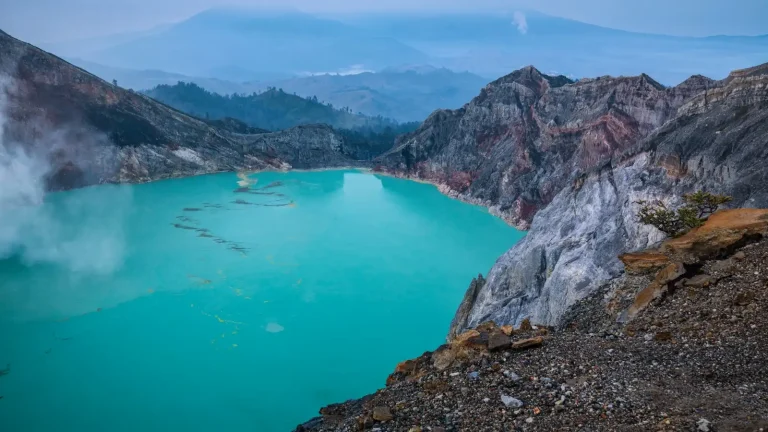
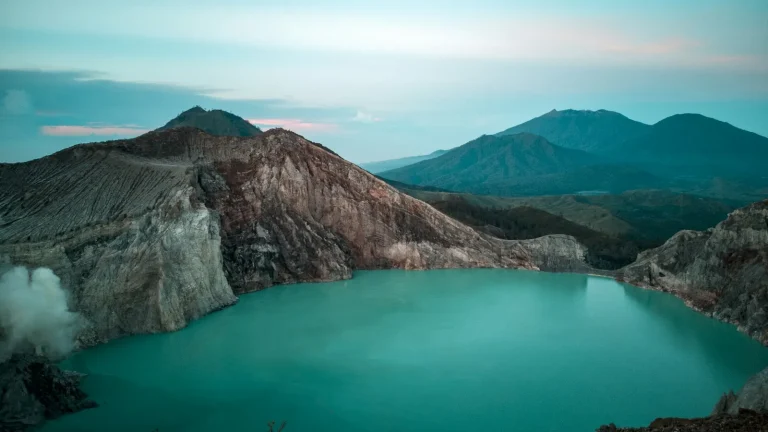
- Acidic Crater Lake: The turquoise lake is the world’s largest acidic lake, with a pH of less than 0.5. Direct contact is extremely dangerous. Stay on designated paths and do not approach the water’s edge.
We strongly advise against trekking Ijen if you have:
- Severe asthma or other chronic respiratory conditions.
- Heart conditions.
- High blood pressure.
- Severe mobility issues.
- Are pregnant.
Your safety is paramount. Be honest with yourself about your fitness level and health status.
—
Planning Your Trip: Booking and Cancellation Policies
various closures and restrictions can seem daunting, but this is where an experienced operator like Bali Premium Trip makes a significant difference. Our ijen crater tour cancellation rebooking policy is designed with flexibility in mind, acknowledging the unpredictable nature of volcanic and weather-related closures.
When you book your Ijen tour directly with our Bali Premium Trip reservations team, you benefit from:
- Real-Time Monitoring: We constantly monitor official advisories from BKSDA, PVMBG, and local weather forecasts. If a closure is announced for your planned date, we’ll know immediately.
- Proactive Communication: We will inform you as soon as any closure or significant restriction is confirmed. Our team will present you with available options.
- Flexible Rebooking: If your trip is affected by an official closure (e.g., first-Friday maintenance, volcanic activity, severe weather), we offer flexible rebooking to an alternative date at no extra charge, subject to availability. This is one of the key benefits of booking with a dedicated local operator rather than a disconnected platform.
- Alternative Itineraries: In some cases, if Ijen is closed for an extended period, we can discuss alternative tour options in the region, adjusting your itinerary as much as possible to ensure your trip remains enjoyable.
- Transparent Pricing: All bookings are handled directly by our Bali Premium Trip reservations team at transparent, published rates with no third-party markup. While we arrange third-party services such as park jeeps, permits, and local guides via our licensed, vetted local partners, you always know exactly what you’re paying for.
How to Plan Around Ijen Closures
To minimize the risk of your ijen tour closed first friday month maintenance or other unexpected closures disrupting your plans:
- Check the Calendar: Always confirm that your desired travel dates do not fall on the first Friday of the month.
- Build in Buffer Days: If your itinerary allows, consider adding an extra day or two in the Banyuwangi/Bondowoso area. This provides flexibility to rebook if a short-term closure occurs.
- Book in Advance, Especially for Quota Days: Given the ijen crater daily visitor limit quota booking system, securing your permits and tour well in advance is essential, particularly during peak season or public holidays.
- Stay Informed: While Bali Premium Trip will keep you updated, it’s always good to be generally aware of the region’s news and weather.
- Choose a Flexible Operator: Opting for an operator like Bali Premium Trip, known for its honesty and local expertise, ensures you have support and flexible options if plans change. We speak like a seasoned mountain guide who has walked the Ijen rim at 2 a.m. a hundred times, clear about difficulty, safety, and what is real versus hype.
Ready to Plan Your Ijen Adventure? Contact Us Today!
—
Summary of Ijen Crater Access Rules and Closures
To help you quickly reference the various factors that might affect your Ijen trek, here’s a brief overview:
- First-Friday Monthly Maintenance
- The entire Kawah Ijen area (blue fire and crater rim) is closed all day on the first Friday of every month for trail upkeep and conservation. This is a predictable, recurring closure.
- Volcanic Activity (PVMBG Alerts)
- Ijen is an active volcano. Closures, partial or full, can occur at any time based on PVMBG’s alert levels (Level II, III, IV) due to increased seismic activity, gas emissions, or eruption risk. These are unpredictable and prioritize safety.
- Weather Conditions
- Heavy rain, strong winds, or dense fog can lead to temporary closures for safety, making trails slippery and visibility poor. These are usually short-term and unpredictable.
- Daily Visitor Quota
- Post-2024 regulations include a daily limit on visitors. Once the quota is met, no more tickets are issued for the day, making advance booking essential. Quota numbers can vary.
- Night-Hike Timing Windows
- Specific entry and exit times are enforced for the blue-fire trek (e.g., 1:00 AM – 3:00 AM entry window) to manage traffic and ensure safety during darkness.
- Mandatory Local Guides
- A licensed local guide is often required for trekking, particularly for the crater descent, to enhance safety and provide assistance.
—
Key Takeaways for Your Ijen Tour
The dynamic nature of Kawah Ijen means that flexibility and up-to-date information are your best companions for a successful trek. While the first-Friday maintenance is a fixed date to watch out for, other closures are unpredictable. This information is provided as general guidance and is not an official schedule or safety guarantee. Always reconfirm the current status directly with the park authorities (BKSDA) or, more conveniently, through our team at Bali Premium Trip before you travel. For volcanic activity status, always defer to official PVMBG/MAGMA Indonesia advisories.
Our commitment at Ijen Tour Package, operated by Bali Premium Trip, is to provide an independent, honesty-first guide and booking service. We plan and run private, expert-guided Ijen treks with our own Bali team plus licensed, vetted on-ground guides, permits, and transfers. Bookings are handled directly by our Bali Premium Trip reservations team, ensuring clear communication and reliable service. We pride ourselves on never overselling and always routing you to the right vetted people, making your Ijen adventure as safe and seamless as possible.
—
Frequently Asked Questions
What happens if my Ijen tour date falls on a first-Friday monthly closure?
If your planned ijen tour closed first friday month maintenance, you will not be able to access the crater on that specific day. Bali Premium Trip will proactively contact you to offer flexible rebooking to an alternative date at no extra charge, or discuss other itinerary adjustments to minimize disruption to your travel plans.
Is Ijen Crater ever closed due to volcanic activity?
Yes, Kawah Ijen is an active volcano, and closures due to increased ijen crater closed seismic volcanic activity update can occur without warning. The PVMBG (Indonesia’s volcanology agency) monitors the volcano and issues alert levels. If the status is elevated, BKSDA will close access for visitor safety. Bali Premium Trip closely monitors these advisories and will inform you immediately of any changes affecting your booking.
How does the daily visitor quota affect my booking?
The ijen crater daily visitor limit quota booking means that only a certain number of visitors are allowed access each day. Once this quota is reached, no more tickets are sold. To avoid disappointment, it is highly recommended to book your Ijen tour and secure your permits well in advance, especially during peak seasons. Bali Premium Trip handles permit acquisition as part of your tour package.
What should I do if I have health concerns before trekking Ijen?
If you have any underlying health conditions, such as asthma, heart problems, or severe mobility issues, it is crucial to consult a licensed medical professional before considering the Ijen trek. While we provide safety information, it is not medical advice. The altitude, physical demands, and sulfur gas exposure can pose significant risks for individuals with pre-existing health concerns.
Can weather conditions lead to an ijen blue fire trek closed weather conditions?
Yes, ijen blue fire trek closed weather conditions can occur. Heavy rain, strong winds, or dense fog can make the trails hazardous, especially during the pre-dawn hours of the blue fire trek. For your safety, the BKSDA may temporarily close access to the crater. These closures are usually short-term but can happen with little notice.
—
Have Questions or Need to Plan Your Ijen Trip? Chat with Us on WhatsApp!