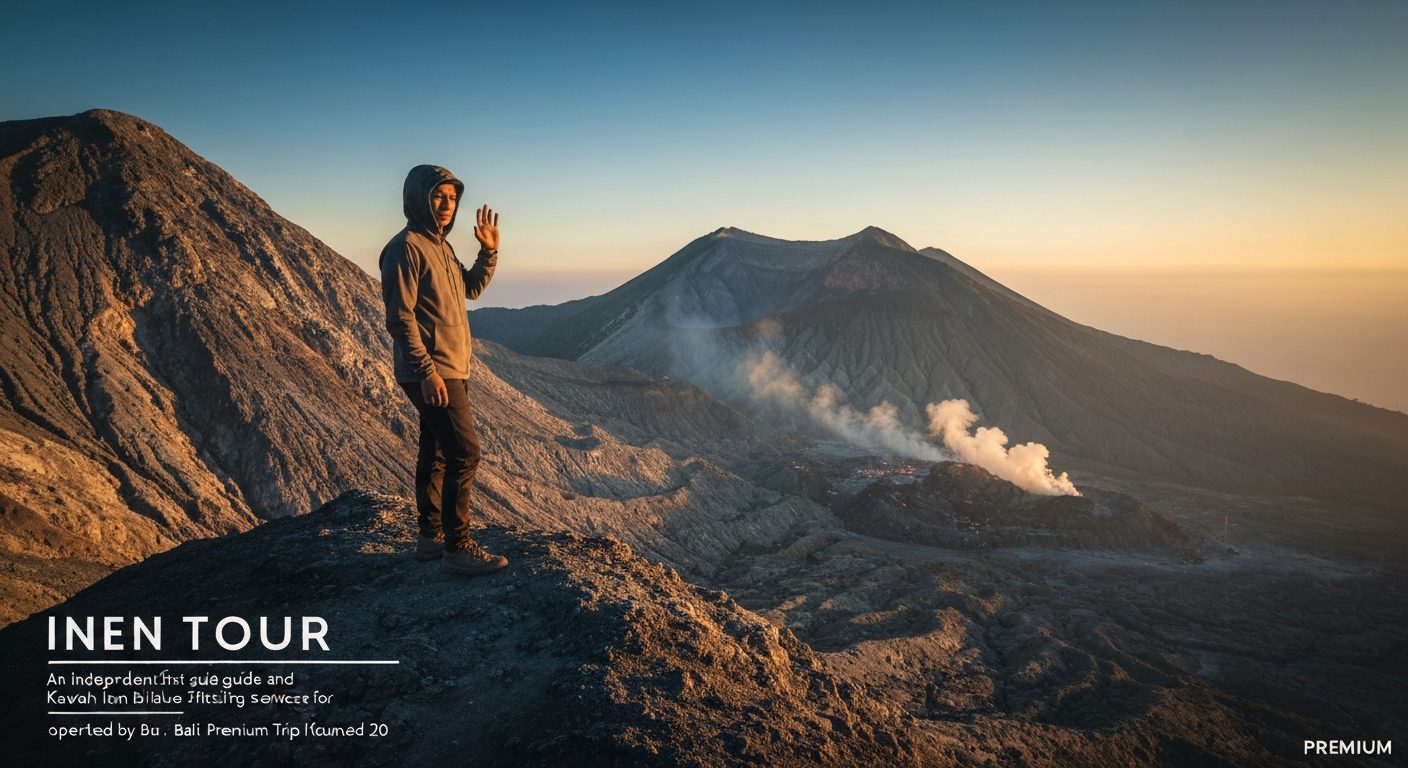
The Ijen tour difficulty fitness level is a common concern for many travellers, and rightly so. Knowing what to expect is key to a rewarding experience. Generally, the Kawah Ijen blue fire hike is considered moderately challenging, primarily due to its steep initial ascent, the rough terrain into the caldera, and the early morning start. It’s a trek that requires a basic level of fitness and preparation, but it’s certainly manageable for most average, active individuals.
As someone who maps every way into this crater and pressure-tests every transfer time, I want to give you an honest appraisal. My goal is to ensure you arrive at Paltuding rested and on time, not stranded or unprepared. Let’s break down what makes the Ijen trek demanding and how you can prepare for it.
The Kawah Ijen Trek: An Overview of What to Expect
Understanding the full scope of the Kawah Ijen trek is the first step to assessing its difficulty. This isn’t a leisurely stroll; it’s an adventure that begins in the dark and involves a significant climb.
Distance and Elevation Gain
The primary trail from the Paltuding Ranger Post to the crater rim covers approximately 3 kilometres. This might not sound like much, but it comes with a substantial elevation gain. You’ll ascend roughly 600 to 650 metres from Paltuding (around 1,800 metres above sea level) to the crater rim. This ijen crater hike 3 kilometers elevation gain is concentrated over a relatively short distance, making parts of the trail quite steep.
Altitude at Kawah Ijen
The summit of Kawah Ijen, at the crater rim, sits at approximately 2,386 metres (7,828 feet) above sea level. While not extremely high, this kawah ijen altitude gain can still affect some individuals, especially those coming directly from sea level (like Bali). Symptoms of mild altitude sickness, such as headaches or shortness of breath, are possible but generally not severe at this elevation. Pacing yourself is crucial.
Midnight Start & Cold, Dark Conditions
To witness the famous blue flames, the hike typically begins around 1:00 AM or 2:00 AM from Paltuding. This means you’re starting a strenuous activity in the middle of the night. The temperatures can be quite cold, often dropping to 5-10°C (41-50°F) or even lower, especially at the rim. The trail is entirely dark, illuminated only by headlamps. This combination of cold, darkness, and sleep deprivation (especially for those arriving from Bali via the Ketapang ferry crossing) adds another layer of challenge.
Trail Surface and Terrain
The trail from Paltuding to the rim is generally a well-trodden path. The first section is paved, but it quickly transitions to compacted earth and gravel, sometimes loose. It’s wide enough for two people for much of the way. However, the optional descent into the caldera to see the blue fire up close is a different story. This path is much narrower, rockier, and very steep, with loose rocks and uneven surfaces. It requires careful footing and often involves navigating around sulfur miners carrying heavy loads.
Sulfur Gas Exposure and Gas Masks
One of the unique aspects of Ijen is the active sulfur mine within the crater. This means you will encounter sulfur dioxide gas. Proper gas masks are essential and should be provided by your guide. While the masks effectively filter out most of the gas, strong gusts of wind can occasionally push clouds of gas directly into your path, leading to temporary irritation in your eyes and throat. It’s part of the experience, but it’s something to be prepared for mentally and physically.
Breaking Down the Ijen Hike Difficulty for Beginners and First-Timers
Let’s get specific about the ijen hike difficulty for beginners and what a ijen tour first timer beginner might encounter at each stage.
Section 1: The Ascent to the Crater Rim (Main Trail)
This is the longest and most sustained uphill section.
- Pace and Time
- Most trekkers take between 1.5 to 2.5 hours to reach the crater rim from Paltuding. A steady, consistent pace is more effective than bursts of speed. Our guides encourage a comfortable rhythm, taking short breaks as needed.
- Physical Demands
- This section primarily tests your cardiovascular endurance and leg strength. It’s a continuous uphill climb, but the incline varies. There are some flatter sections where you can catch your breath, interspersed with steeper gradients that feel more like a relentless uphill slog. Think of it as climbing a long, steep hill in your local park – but in the dark and cold, after minimal sleep.
Section 2: The Optional Descent to the Blue Fire (Into the Caldera)
This is where the real technical challenge, and the blue fire reward, lies. This is the part of the ijen blue fire hike how hard truly reveals itself.
- Steepness and Terrain
- The path into the caldera is a steep, winding trail over loose rocks and boulders. It’s often slippery, especially when damp. There are no handrails, and you’ll need to use your hands for balance at times. Visibility can be poor due to darkness and sulfur gas. This section is generally considered the most challenging part of the entire trek.
- Gas Exposure
- Being closer to the sulfur vents means a higher concentration of sulfur gas. Your gas mask is non-negotiable here. Our guides are experienced in monitoring wind direction and gas levels, guiding you safely through. However, be prepared for the distinct smell and the occasional strong waft that might sting your eyes, even with the mask.
- Return Climb
- Remember, what goes down must come up. The climb back out of the caldera is just as steep, if not more challenging, as you’re already tired from the descent and the blue fire viewing. This is often done as dawn approaches, offering a glimpse of the crater lake.
Section 3: The Crater Rim Walk and Descent Back
After the blue fire, you’ll ascend back to the rim and then proceed to the sunrise viewpoints.
- Views vs. Effort
- The walk along the crater rim offers absolutely incredible panoramic views of the turquoise acid lake and the surrounding landscape as the sun rises. The trail here is relatively flat but can be windy and exposed. The effort is less about climbing and more about enjoying the payoff.
- Daylight Conditions
- The descent back to Paltuding is much easier in daylight. You can see your footing, and the trail, though still downhill and sometimes slippery, feels significantly less daunting. This usually takes about 1 to 1.5 hours.
Is Ijen Blue Fire Hike Hard? A Self-Assessment for Your Ijen Crater Walk Fitness Requirement
So, is ijen blue fire hike hard? It’s not Everest, but it’s not a walk in the park either. To help you assess your own ijen crater walk fitness requirement, consider these levels:
| Fitness Level | Description & Typical Experience | Suitability for Ijen Blue Fire Hike |
|---|---|---|
| Beginner/Sedentary | Rarely engages in physical activity. Finds walking up a few flights of stairs tiring. | Challenging to Very Challenging. May struggle significantly with the sustained uphill climb and the steep caldera descent. The early start and sulfur gas will add stress. Requires significant mental fortitude and a very slow pace, possibly with porter assistance. |
| Average/Occasional Walker | Can comfortably walk for 30-60 minutes on flat ground. Walks stairs regularly but might feel slightly out of breath on a long climb. Engages in light recreational activity a few times a month. | Moderate to Challenging. Will find the uphill climb demanding but manageable with regular breaks. The caldera descent will be tough due to terrain. Preparation (e.g., short hikes/stair climbing in weeks prior) and a good guide are highly recommended. This is the target audience for most of our travellers. |
| Intermediate/Active | Regularly engages in moderate-intensity exercise (jogging, hiking, gym) 2-3 times a week. Can hike for several hours with elevation changes without significant difficulty. | Moderate. Will find the hike physically demanding but well within their capabilities. The early start and gas are the main challenges. Will likely complete the trek comfortably within average times. |
| Experienced Hiker/Athlete | Engages in strenuous physical activity multiple times a week. Accustomed to long hikes, trail running, or high-intensity sports. | Easy to Moderate. Will likely complete the trek quickly and with minimal physical strain. The primary challenge will be crowds and sulfur gas. |
What to Expect If You’re an Average Walker
If you fall into the “Average/Occasional Walker” category, which describes many of our clients, you can absolutely do the Ijen trek. You will feel the burn in your legs, your heart rate will be elevated, and you will likely be tired. However, with a sensible pace, proper hydration, and the support of a good guide, it’s a very achievable goal. The key is to be honest with yourself about your ijen crater fitness requirements and prepare accordingly.
Specific Physical Requirements
- Cardiovascular Endurance: The ability to sustain moderate physical activity for 2-3 hours.
- Leg Strength: Particularly in your quadriceps and glutes for the ascent, and knees for the descent.
- Balance and Agility: Essential for rocky, uneven path into and out of the caldera in the dark.
- Respiratory Health: While gas masks are provided, good respiratory health is beneficial due to sulfur exposure and altitude.
Managing the Ijen Trek Difficulty Level: Strategies for a Smoother Hike
Even if the ijen trek difficulty level seems a bit daunting, there are many ways to make your experience smoother and more enjoyable.
Pacing Yourself is Key
Do not rush. Your guide will set a sustainable pace. Listen to your body and take short breaks when needed. It’s not a race. The goal is to reach the blue fire and the sunrise viewpoint safely and comfortably, not to be the first one up.
Hydration and Nutrition
Drink plenty of water before, during, and after the hike. Carry a small snack (e.g., energy bar, fruit) to keep your energy levels up. A well-hydrated and nourished body performs better.
Appropriate Gear
- Footwear: Sturdy hiking shoes or trail runners with good grip are essential, especially for the caldera descent. No open-toed shoes or sandals.
- Layers of Clothing: It’s cold at night but warms up quickly with exertion and sunrise. Wear layers you can shed.
- Headlamp: Crucial for hands-free navigation in the dark. Your guide should provide one, but a backup is always good.
- Backpack: Small daypack for water, snacks, extra layers, and your camera.
- Gas Mask: Provided by your guide, ensure it fits snugly.
- Gloves: Optional, but good for cold hands and gripping rocks.
The Role of a Good Guide
This cannot be overstated. A licensed, vetted local guide from our team is invaluable. They know the trail intimately, understand the local conditions, monitor gas levels, and can assist you with tricky sections. They are also your source of information and encouragement. Our Bali Premium Trip guides are trained to adjust the pace to your fitness level, ensuring you have a safe and positive experience.
Consider the Ijen Hike Porter Cart Option
For those who are less confident in their physical abilities, or simply want to conserve energy, the ijen hike porter cart is a viable option. These are sturdy, manually-operated carts pushed by local porters. You sit in the cart, and the porters transport you up the main trail to the crater rim.
- Cost: The cost for a porter cart is an additional expense, typically ranging from IDR 700,000 to IDR 1,000,000 (approximately US$45-65, last verified June 2026) for a round trip from Paltuding to the rim. This fee is paid directly to the porters.
- Availability: Porters are usually available at Paltuding, but it’s best to confirm with your guide if you plan to use this service.
- Limitations: The porter carts generally only go up to the main crater rim. They do not go down into the caldera for the blue fire viewing due to the extremely challenging terrain. If you use a cart, you’ll still need to walk the optional descent and ascent into the caldera if you wish to see the blue fire up close. However, it significantly reduces the overall physical exertion.
Special Considerations & Safety
While we aim to make Ijen accessible, certain conditions require careful thought.
Health Conditions
This is not medical advice, but general trekking information. If you have heart or lung conditions, severe asthma, or are pregnant, we strongly advise you to consult your doctor before attempting the Ijen trek. The combination of altitude, physical exertion, and sulfur gas exposure can pose risks. Your health and safety are paramount.
Altitude Sickness
At 2,386 metres, severe altitude sickness is rare. However, mild symptoms like headache, nausea, or dizziness can occur. Stay hydrated, avoid alcohol the night before, and inform your guide immediately if you feel unwell. Our guides are experienced in recognising and responding to these symptoms.
Sulfur Gas Precautions
Always wear your gas mask when instructed, especially in the caldera. Follow your guide’s directions regarding safe distances from active vents and when to move or wait if a gas cloud approaches. The gas can irritate eyes, throat, and lungs, even with a mask, but prolonged exposure should be avoided.
Dark
The pre-dawn start means navigating a challenging trail in pitch black. Trust your headlamp and your guide. Stick with your group and avoid straying from the marked path. The darkness can disorient, making every step require focus.
Realistic Timing and Pace: Getting to Paltuding Rested
One of my core responsibilities is ensuring our travellers are well-rested and prepared. The journey to Ijen, especially from Bali, can be long and tiring, directly impacting your ijen tour difficulty fitness level.
Typical Tour Timelines
- From Banyuwangi: If you’re staying in Banyuwangi, the drive to Paltuding is typically around 1.5 to 2 hours. This allows for a slightly later start (e.g., departing Banyuwangi at midnight for a 1:30 AM arrival at Paltuding) and potentially a bit more sleep.
- From Bali (Ketapang Ferry Crossing): This is a much longer journey. A typical 2-day/1-night Ijen tour from Bali involves a morning pick-up, a 4-5 hour drive to Ketapang (Java), the Ketapang ferry crossing (1-1.5 hours), a drive to your Banyuwangi accommodation, a few hours of rest, then the midnight departure for Ijen. This means very limited sleep before the hike.
Impact of Sleep Deprivation
For Bali day-trippers or those on tight schedules, sleep deprivation is a real factor. Starting a strenuous hike after only 2-3 hours of broken sleep significantly increases the perceived ijen tour difficulty fitness level. This is precisely why we meticulously plan our multi-day itineraries and transfer times. We want you to arrive at Paltuding as rested as possible, not already battling fatigue.
Why Private Tours Make a Difference
With Bali Premium Trip, you’re not on a large, inflexible group tour. Our private, expert-guided Ijen treks allow for flexibility in pace and timing. Our own Bali team coordinates seamlessly with our licensed, vetted on-ground guides in East Java. This means:
- Tailored Pace: Your guide will adjust the hiking speed to your fitness level, not the slowest or fastest in a large group.
- Comfortable Transfers: Our private transfers mean you can rest and relax more comfortably between legs of your journey.
- Personalised Attention: You get dedicated support and guidance throughout the trek, especially important when dark and gas.
Indicative Costs for an Ijen Tour
Understanding the costs involved helps in planning. While prices vary significantly based on group size, duration (1-day vs. 2-day), starting point (Banyuwangi vs. Bali), and inclusions (accommodation, meals), here are some indicative ranges for private tours (last verified June 2026):
- Private 1-Day Ijen Blue Fire Tour (starting/ending Banyuwangi): US$150 – US$250 per person. This typically includes a private vehicle, driver, fuel, entrance fees, local guide, and gas mask.
- Private 2-Day/1-Night Ijen Blue Fire Tour (starting/ending Bali): US$450 – US$800 per person. This comprehensive option usually includes private transfers from Bali, return Ketapang ferry tickets, 1-night accommodation in Banyuwangi, meals, Ijen entrance fees, local guide, and gas mask. Prices tend to be lower per person for larger groups.
These ranges provide a general idea; actual quotes will be provided directly by our Bali Premium Trip reservations team based on your specific itinerary.
Booking Your Ijen Adventure with Confidence
The Kawah Ijen blue fire hike is a truly unique and rewarding experience. While it presents a moderate ijen tour difficulty fitness level, it is entirely achievable with the right preparation and support. We provide honest information, clear expectations, and ensure you’re paired with expert guides who prioritise your safety and enjoyment.
If you’re ready to embrace the challenge and witness the incredible blue flames and turquoise crater lake, let us help you plan your journey. Our Bali Premium Trip reservations team handles all bookings directly, ensuring transparent pricing and a seamless experience from start to finish.
Plan your trip to Kawah Ijen with us today. You can reach out directly via WhatsApp for personalised itinerary planning and to discuss your ijen crater fitness requirements.
FAQs
Is the Ijen blue fire hike hard for someone with average fitness?
For someone with average fitness, the Ijen blue fire hike is moderately challenging. The main difficulties are the sustained uphill climb (approx. 3 km with 600m+ elevation gain), the steep and rocky descent into the caldera, the midnight start in cold, dark conditions, and the presence of sulfur gas. However, with a steady pace, proper gear, and a good guide, it is very achievable.
What are the Ijen crater fitness requirements?
The Ijen crater fitness requirements include good cardiovascular endurance to handle a 2-3 hour uphill trek, sufficient leg strength for both ascent and descent, and reasonable balance and agility for navigating rocky, uneven terrain in the dark. If you can comfortably walk uphill for an hour or climb several flights of stairs without excessive struggle, you likely have the basic fitness needed.
Do I need special equipment for the Ijen trek difficulty level?
Yes, you need sturdy hiking shoes with good grip, layered clothing for cold temperatures, and a headlamp. A gas mask is absolutely essential due to sulfur gas and will be provided by your guide. A small backpack for water and snacks is also recommended. Our tours include the necessary safety equipment and guidance.
Can I use an Ijen hike porter cart for the blue fire trek?
Yes, ijen hike porter cart services are available at Paltuding Ranger Post. Porters can transport you in a cart up the main trail to the crater rim, significantly reducing the physical exertion of the uphill climb. However, these carts typically do not go down into the caldera for the blue fire viewing due to the extremely steep and hazardous terrain. You would still need to walk that optional section yourself.
What is the altitude gain at Kawah Ijen?
The altitude gain from the Paltuding Ranger Post (approx. 1,800m) to the Kawah Ijen crater rim (approx. 2,386m) is about 600-650 metres over a 3-kilometre distance. While not extremely high, this kawah ijen altitude gain can still cause mild altitude symptoms in some individuals, especially if arriving sleep-deprived from lower elevations.