Uncategorized
Is the Ijen Blue Fire Real? The Science Behind the Electric Blue Flames
Is Ijen blue fire real science or myth? Discover the true chemistry behind Kawah Ijen's electric blue flames: superheated sulfuric gas, not lava. Anindya e
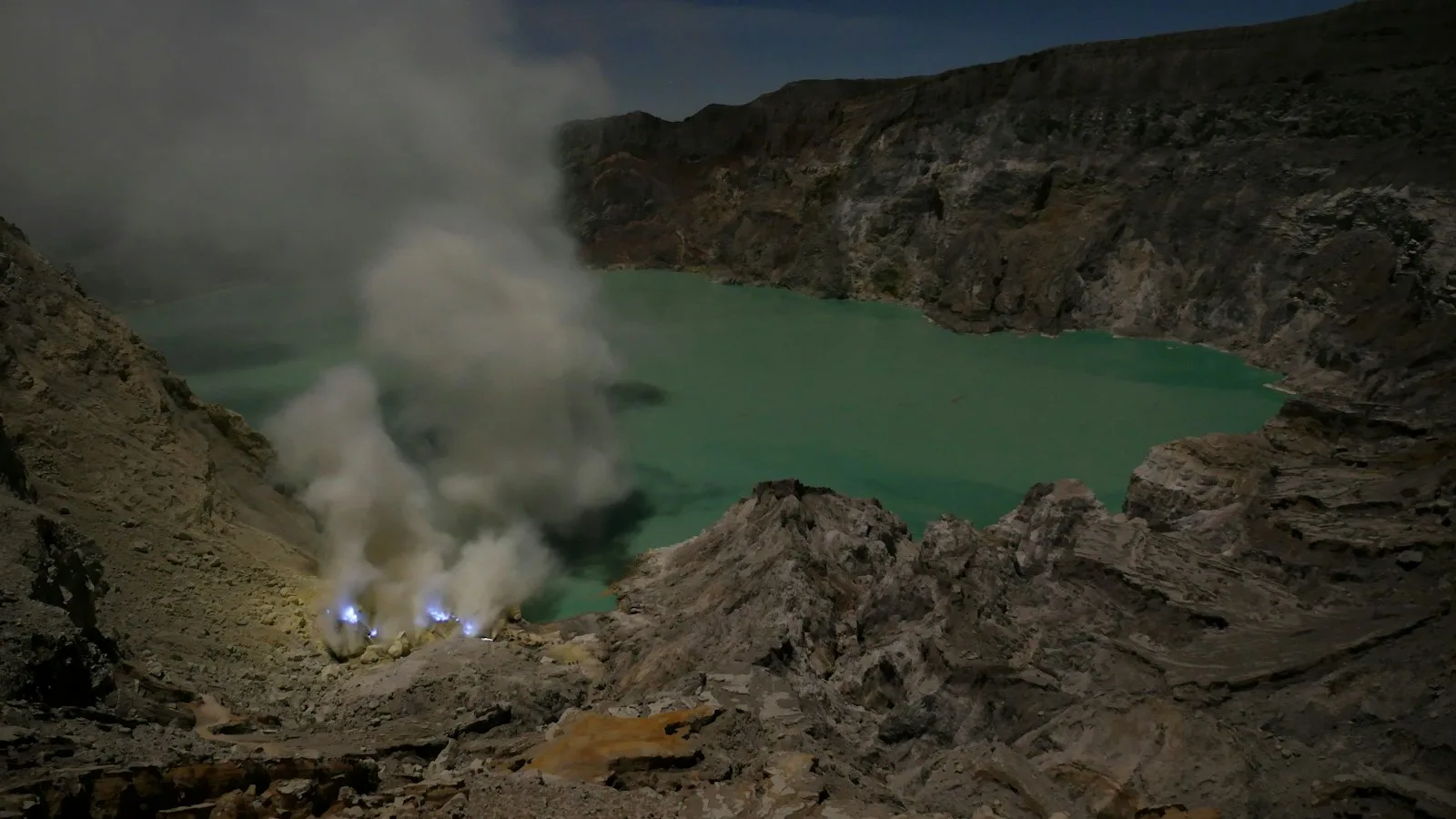
Many first-time trekkers ask: is ijen blue fire real science or just a captivating legend? Let me tell you definitively: the electric blue flames of Kawah Ijen are absolutely real, a genuine natural phenomenon rooted deeply in volcanic chemistry. It’s not a trick of the light, nor is it some exotic blue lava. What you witness is the combustion of superheated sulfuric gases, creating a spectacle unique to a select few volcanic sites on Earth, with Kawah Ijen being the most prominent.
As Anindya Kirana, I’ve hiked to the Ijen crater rim more than a hundred times, in every season and every condition. I’ve seen those flames flicker in the pitch black of a clear dry-season night and struggled through the fog of a rainy-season ascent. I write these guides to break down the experience honestly, so you know exactly what your body and lungs are in for. This guide is about the science of those mesmerising blue flames.
What Exactly is the Ijen Blue Fire Phenomenon?
Let’s get straight to the point about the ijen blue fire phenomenon science explanation. The “blue fire” you see at Kawah Ijen isn’t lava. It’s a vivid, electric-blue flame produced by the combustion of sulfuric gases that emerge from cracks within the volcano at extremely high temperatures. When these gases escape and come into contact with the oxygen-rich air, they ignite, burning with a striking blue color.
This process is most visible in the pre-dawn darkness, giving the appearance of blue rivers of fire flowing down the crater walls. Sometimes, the gas cools and condenses into molten sulfur, which itself can burn with the same blue flame as it drips and pools, adding to the intensity of the display. It’s a dynamic, ever-changing natural light show, entirely dependent on the volcano’s activity and atmospheric conditions.
The Chemistry Unpacked: Why is Ijen Fire Blue?
To understand why is ijen fire blue chemical reaction is key. The culprit here is sulfur. Kawah Ijen is renowned for its vast sulfur deposits, which are a direct result of its active volcanic nature. Deep within the earth, intense heat causes various chemical reactions, releasing sulfurous gases.
When these gases, primarily sulfur dioxide (SO₂) and hydrogen sulfide (H₂S), are expelled from the volcano’s vents, they are incredibly hot – often reaching temperatures up to ~600°C (1,112°F). At these extreme temperatures, the sulfur vapor reacts violently with oxygen in the air. This rapid oxidation, or burning, of sulfur is what produces the distinctive blue flame.
The specific chemical reaction is:
S(g) + O₂(g) → SO₂(g) + Energy (light and heat)
Essentially, sulfur in its gaseous state is burning. Just as a gas stove burns with a blue flame due to the combustion of methane, the sulfur gases at Ijen burn blue because of the intense heat and the specific elements involved. The blue color is characteristic of sulfur combustion at these temperatures and pressures. The light emitted is in the blue spectrum, making the flames appear electric blue to our eyes.
Is Ijen Blue Fire Blue Lava or Burning Gas?
This is a crucial distinction and a common misconception. Let me be clear: is ijen blue fire blue lava or burning gas? It is unequivocally burning gas. Lava, by definition, is molten rock, and while it can be incredibly hot and glow red or orange, it does not burn blue. The blue fire at Ijen is not molten rock; it is superheated sulfur gas igniting upon exposure to oxygen.
Sometimes, the superheated sulfuric gases condense and deposit as molten sulfur, which flows down the crater. This molten sulfur, still very hot, can also catch fire and burn with the same blue flame, giving the impression of “blue lava” flowing. However, it’s not molten rock; it’s molten elemental sulfur. The visual effect can be strikingly similar to flowing liquid, but the underlying material and chemical process are entirely different from traditional lava flows.
Ijen Blue Fire Combustion Temperature Explained
The temperature at which the ijen blue fire combustion temperature explained is quite high. As mentioned, the gases typically emerge at around ~600°C (1,112°F). This intense heat is essential for the sulfur to vaporize and react so vigorously with oxygen. Without these high temperatures, the sulfur wouldn’t readily gasify and ignite in such a spectacular fashion.
The combustion itself releases further heat, sustaining the reaction as long as there is a continuous supply of sulfur gas and oxygen. This is why the blue flames are not static; they flicker, dance, and vary in intensity and size depending on the gas flow, wind conditions, and the concentration of oxygen in the immediate vicinity.
The Phenomenon’s Rarity: Why Kawah Ijen is One of Only a Couple of Places on Earth
Many people wonder, is kawah ijen only place blue fire on earth? While it’s certainly the most famous and accessible place to witness this phenomenon on a grand scale, it’s important to clarify that Kawah Ijen is not the only place where sulfur burns blue. There are a few other volcanic sites globally where similar, albeit typically smaller, blue flames have been observed. However, Kawah Ijen stands out due to the sheer volume and intensity of the blue fire, making it an extraordinary spectacle.
What makes Kawah Ijen unique? It’s a combination of specific geological and atmospheric factors:
- Abundant Sulfur Deposits: Kawah Ijen has vast quantities of sulfur, constantly being brought to the surface by volcanic activity.
- Volatile Gas Emissions: The volcano consistently releases a significant volume of highly concentrated sulfuric gases.
- Crater Lake Chemistry: The highly acidic crater lake further contributes to the unique chemical environment.
- Accessibility of Vents: The specific geological structure allows these gases to escape through fissures and vents that are relatively accessible for viewing (with proper safety precautions).
- Night-time Visibility: The blue flames are only visible in darkness, and Ijen’s trek starting hours are perfectly timed for this.
These factors combine to create the ideal conditions for the prolonged and extensive display of blue fire witnessed at Ijen, making it a truly exceptional natural wonder.
Myths vs. Reality: Debunking Common Misconceptions About the Blue Fire
There’s a lot of hype and misinformation circulating online about the Ijen blue fire. As someone who has seen it countless times, let me help you distinguish between the real combustion science and common misconceptions.
- Myth:
- The blue fire is blue lava.
- Reality:
- It is not lava. It is superheated sulfuric gas igniting and burning blue on contact with oxygen. Sometimes molten elemental sulfur also burns blue.
- Myth:
- The blue fire is a permanent flame.
- Reality:
- The flames are dynamic and intermittent. They depend on the continuous emission of sulfur gas, wind conditions, and oxygen availability. They flicker, grow, and shrink.
- Myth:
- You can see the blue fire any time of day.
- Reality:
- The blue fire is only visible in complete darkness. During daylight hours, the light emitted by the flames is too faint to be seen against the sun’s brightness. This is why the trek starts around midnight.
- Myth:
- The blue fire is completely safe to approach closely.
- Reality:
- The area around the blue fire is extremely dangerous due to highly concentrated, toxic sulfur dioxide gas. Proper gas masks are essential, and a licensed guide is crucial for safety.
- Myth:
- The blue fire is an optical illusion.
- Reality:
- It is a genuine chemical reaction and a real physical phenomenon, not an illusion or trick of perception. It is the visible light spectrum emitted by burning sulfur.
Understanding these facts is not just about appreciating the science; it’s also about preparing for a safe and realistic experience. The blue fire is powerful enough without needing embellishment.
The Practical Reality: Seeing the Electric Blue Flames Safely
Witnessing the ijen electric blue flames sulfuric acid gas in person is an incredible experience, but it comes with practical considerations and safety requirements. The very gases that create the blue fire are toxic. Sulfur dioxide (SO₂) is a respiratory irritant, and prolonged exposure or high concentrations can be dangerous. This is why proper safety measures are non-negotiable.
The Midnight Hike: Your Path to the Blue Fire
As I’ve said, the blue fire is only visible in darkness. This means a midnight hike to the Ijen crater. Treks typically begin from the Paltuding trailhead around 1:00 AM or 2:00 AM. The hike to the crater rim is approximately 3 kilometers (about 1.8 miles) and involves a steady uphill climb. Depending on your fitness level, it can take anywhere from 1.5 to 2.5 hours to reach the rim. From there, a steep, rocky descent into the crater (another 800 meters or so) is required to get a close-up view of the blue flames. The entire round trip, including viewing time, can take 5-6 hours.
The path is well-worn but uneven, rocky, and can be slippery, especially during the rainy season. Headlamps are essential. The air can be cold at night, even in the tropics, so layering is key. But beyond the physical challenge, the most important aspect is gas safety.
Essential Safety: Gas Masks and Guided Tours
When approaching the blue fire, particularly down in the crater, you will encounter strong gusts of sulfur gas. These are not just unpleasant; they are dangerous. High-quality, industrial-grade gas masks with active filters are absolutely mandatory. Cheap paper masks offer little to no protection.
This is where a licensed, local guide becomes invaluable. Not only do they know the safest paths down into the crater and how to navigate the gas plumes, but they also understand the volcano’s current conditions. They can advise on when it’s safe to approach and when to retreat. Our tours, operated by Bali Premium Trip, always provide certified masks and expert guides to ensure your safety. We arrange these essential services, along with park jeeps and permits, via licensed local partners who are deeply familiar with Ijen.
Planning Your Journey to Witness the Blue Fire
Now that you understand the science behind this incredible natural display, you might be thinking about seeing it for yourself. It’s a challenging but deeply rewarding experience.
To give you an idea of costs, an indicative price range for a private 2-day/1-night or 3-day/2-night Ijen blue fire tour from Bali or Surabaya, including transfers, accommodation, permits, and a licensed guide with proper safety equipment, typically falls between US$250 and US$700 per person. This range varies significantly based on group size, accommodation level, and specific inclusions, and was last verified in June 2026. Remember, these are comprehensive packages designed to handle all logistics for a safe and comfortable trip.
If you’re ready to plan a trip that prioritizes safety, local expertise, and an honest experience, our team at Ijen Tour Package, operated by Bali Premium Trip, is here to help. We plan and run private, expert-guided Ijen treks with our own Bali team plus licensed, vetted on-ground guides, permits, and transfers. You book directly with our own Bali Premium Trip reservations team at transparent, published rates with no third-party markup, ensuring you get the best value and support.
Plan your trip to Kawah Ijen with us, and we can discuss all the details via WhatsApp to tailor an itinerary that suits your needs.
Frequently Asked Questions About the Ijen Blue Fire
Is the blue fire visible every night?
The blue fire phenomenon is a natural occurrence tied to volcanic activity. While the sulfuric gases are continuously emitted, their visibility as “blue fire” depends entirely on complete darkness and the volume of gas escaping. It’s generally present every night, but its intensity and visibility can vary with gas flow, wind direction, and atmospheric conditions. Your guide will assess the best viewing opportunities.
Is it dangerous to see the blue fire?
Yes, there are inherent dangers, primarily due to the highly concentrated, toxic sulfur dioxide gas emitted by the volcano. The trek itself is also physically demanding, especially the descent into the crater. However, with proper precautions—wearing a high-quality gas mask, following a licensed local guide’s instructions, and staying aware of your surroundings—the risks can be significantly mitigated. Safety is our paramount concern when planning these treks.
How long does the blue fire trek take?
The entire blue fire trek, from starting at the Paltuding trailhead, hiking to the crater rim, descending into the crater for viewing, and then returning to the trailhead, typically takes about 5 to 6 hours. This includes walking time, photo stops, and sufficient time to safely view the blue flames before sunrise. The hike itself is approximately 3 kilometers one way to the rim, with an additional 800-meter descent into the crater.
Can I see the blue fire during the day?
No, the blue fire is only visible in complete darkness. The light emitted by the burning sulfur gases is too faint to be seen once the sun begins to rise. This is precisely why the trek starts in the middle of the night, usually between 1:00 AM and 2:00 AM, to ensure you arrive at the crater while it’s still pitch black.
What causes the blue color of the flames?
The intense blue color of the flames is caused by the combustion of superheated sulfuric gases. When these gases, emerging at temperatures up to ~600°C (1,112°F), come into contact with oxygen in the air, they ignite. The burning of sulfur produces light predominantly in the blue spectrum, giving the flames their characteristic electric-blue appearance. It is a genuine chemical reaction, not an optical illusion.
The Ijen blue fire is more than just a visual spectacle; it’s a profound demonstration of the raw power and intricate chemistry of our planet. When you choose to visit, do so with respect for the volcano, its environment, and your own safety. We are here to help you experience this incredible phenomenon responsibly.
Ready to witness the magic and science of Kawah Ijen’s blue fire? Let us help you plan your journey. You can reach out to our Bali Premium Trip reservations team directly, and we’ll guide you through every step.
Plan your trip with us today, or send us a message via WhatsApp to start discussing your Ijen adventure.