Uncategorized
Ijen Sulfur Gas Safety & Gas Mask Requirements — Stay Safe at the Crater
Understand the real ijen crater sulfur gas safety risk at Kawah Ijen. This guide explains sulfur dioxide hazards, proper gas masks, and essential safety ti
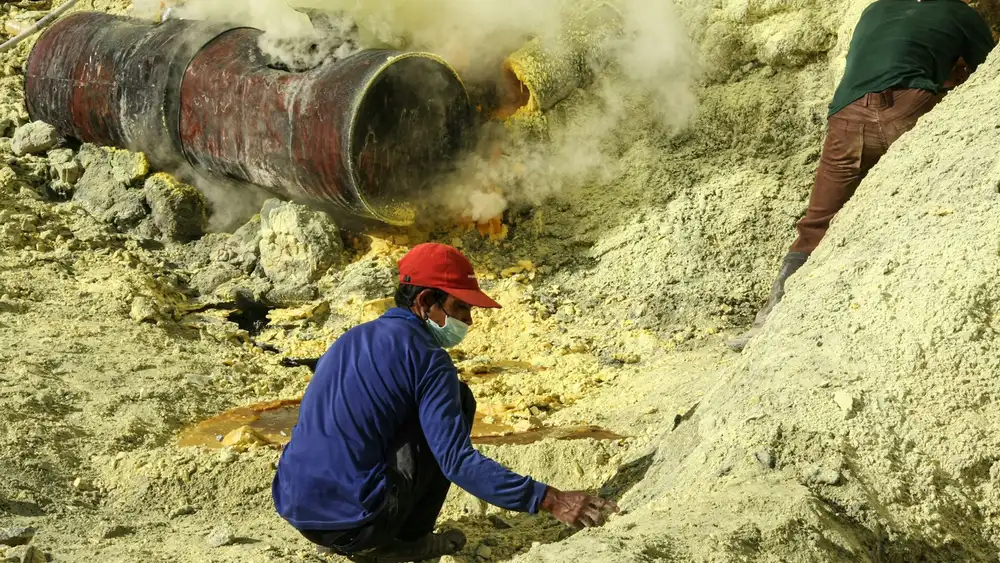
The ijen crater sulfur gas safety risk is a serious, but manageable, concern for anyone visiting Kawah Ijen. The primary hazard comes from sulfur dioxide (SO2) and hydrogen sulfide (H2S) gases emitted from the volcano’s fumaroles and blue-fire vents. These gases, especially when concentrated or shifted by wind, can pose significant health risks if inhaled without proper protection.
This guide clarifies what these gases are, why they are dangerous, and, crucially, what kind of protective equipment genuinely keeps trekkers safe. We’ll focus on why a proper half-face respirator with acid-gas cartridges is essential for your ijen night hike gas mask guide, distinguishing it from the flimsy wet cloths or surgical masks often provided by less reputable operators.
What is Sulfur Gas at Kawah Ijen?
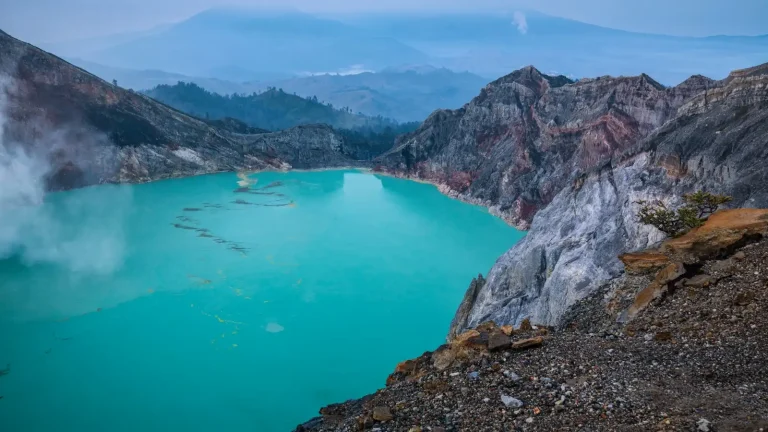
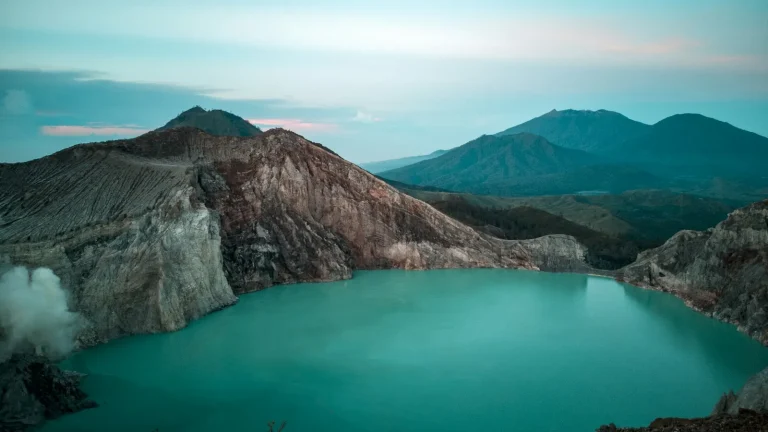
Kawah Ijen is an active stratovolcano, famous for its mesmerizing blue flames — a phenomenon caused by the combustion of sulfuric gases that emerge from cracks in the volcano at high pressures and temperatures. As these gases cool, they condense into liquid sulfur, which then ignites. This process, while visually spectacular, releases a constant plume of volcanic gases into the atmosphere.
The two main gases of concern are:
- Sulfur Dioxide (SO2): This is a colorless gas with a pungent, irritating odor, often described as smelling like burnt matches. It’s heavier than air and highly irritating to the respiratory system.
- Hydrogen Sulfide (H2S): Also a colorless gas, H2S is known for its distinctive “rotten egg” smell. At low concentrations, it’s easily detectable by its odor. However, at higher, more dangerous concentrations, it can numb the sense of smell, making it particularly insidious.
These gases are always present near the active vents and the blue fire. The danger arises when atmospheric conditions, particularly wind, push these concentrated plumes across the trekking trails or observation points.
Why is Sulfur Gas Dangerous? Understanding Inhalation Risks
Inhaling sulfur gases, even at low concentrations, can cause irritation. At higher concentrations, the effects become more severe, impacting your respiratory system, eyes, and even your nervous system.
- Respiratory System: SO2 and H2S can irritate the nose, throat, and lungs, leading to coughing, shortness of breath, and chest tightness. For individuals with pre-existing conditions like asthma, bronchitis, or other respiratory ailments, even brief exposure can trigger severe attacks. Prolonged exposure to high concentrations can cause pulmonary edema (fluid in the lungs), which is life-threatening.
- Eyes: The gases can cause severe eye irritation, leading to redness, tearing, and stinging. This not only causes discomfort but can also impair vision, making navigation on a dark, uneven trail extremely hazardous.
- Skin: While less common, direct skin contact with concentrated gas can cause irritation.
- Nervous System: High concentrations of H2S can affect the central nervous system, leading to dizziness, headaches, nausea, and disorientation. In extreme cases, it can cause unconsciousness or even death due to respiratory paralysis.
The key to understanding the danger is recognizing that the gas concentration isn’t static. It fluctuates based on volcanic activity and, most significantly, wind direction and speed.
The Real Risk: Sudden Kawah Ijen Wind Shift Sulfur Cloud Danger
The Ijen crater isn’t a static environment. It’s a dynamic, active volcano. The most significant kawah ijen wind shift sulfur cloud danger occurs when the wind direction changes suddenly, pushing dense clouds of sulfur gas directly over the trekking path or observation areas.
You might be standing comfortably, enjoying the blue fire, when a sudden gust shifts the gas plume. Within seconds, the air can become thick with choking fumes. This is why constant vigilance and immediate action are crucial. Even a brief exposure to a dense cloud can cause severe discomfort and potential health issues.
Experienced guides, like those we partner with, are trained to monitor wind patterns and gas levels. They know the safe zones and, more importantly, when to signal a retreat.
Proper Protection: Your Ijen Night Hike Gas Mask Guide
A reliable gas mask is not an optional extra; it is a mandatory piece of safety equipment for anyone venturing into the Ijen crater area, especially during the ijen night hike gas mask guide. The difference between a real gas mask and inadequate protection can be the difference between a safe trek and a dangerous ordeal.
Why a Proper Respirator is Essential
A proper half-face respirator, fitted with acid-gas cartridges (specifically designed to filter out SO2 and H2S), creates a sealed barrier between your respiratory system and the harmful gases. These masks have:
- Tight Seal: They fit snugly around your nose and mouth, preventing unfiltered air from entering.
- Filter Cartridges: These cartridges contain activated carbon and other chemical sorbents that chemically react with and remove sulfur gases from the air you breathe. They are rated for specific types of gases and have a limited lifespan.
- Exhalation Valve: This allows exhaled air to escape easily without compromising the seal.
Distinguishing Real Masks from Inadequate Ones
Many budget tour operators, unfortunately, provide insufficient protection. It’s vital for your safety to understand the difference.
- Proper Half-Face Respirator (e.g., 3M 6200 series with 6003 cartridges)
-
- Appearance: Robust rubber or silicone mask, covers nose and mouth, two large cylindrical filter cartridges on the sides or front. Adjustable straps for a tight seal.
- Protection Level: Filters out sulfur dioxide (SO2) and hydrogen sulfide (H2S) effectively.
- Comfort: Can be slightly bulky but allows for clear breathing.
- Cost: More expensive. Typically included by reputable operators.
- Reusability: Cartridges need replacement after specific exposure times or expiry. Mask body is reusable.
- N95 / Surgical Mask / Wet Cloth
-
- Appearance: Thin paper or fabric mask, often tied with elastic loops. Wet cloths are just fabric.
- Protection Level: No protection against sulfur gases. N95s filter particulates, not gases. Wet cloths offer negligible barrier.
- Comfort: Lightweight, easy to wear.
- Cost: Very cheap. Often provided by budget operators trying to cut corners.
- Reusability: Single use for surgical/N95. Cloth can be washed, but useless for gases.
Never compromise on your safety. If an operator offers anything less than a certified half-face respirator with appropriate cartridges, reconsider your choice. The ijen tour gas mask mandatory provided by Bali Premium Trip for all our trekkers is always a proper, certified respirator. We understand the critical nature of this equipment.
Ijen Tour Gas Mask Mandatory Provided by Bali Premium Trip
At Ijen Tour Package, operated by Bali Premium Trip, we consider a proper gas mask a non-negotiable safety item. It is mandatory for all trekkers joining our tours to wear a gas mask when instructed by their guide, especially near the blue fire and within the crater bowl.
We don’t just hand you a mask; we ensure it’s the right kind and that you know how to use it. Our local guides provide a thorough briefing on how to fit and wear the respirator correctly, ensuring a proper seal. This is part of our commitment to your safety and a core component of our comprehensive ijen crater safety tips gas mask protocol.
Ijen Crater Safety Tips Gas Mask Use & Warning Signs
Even with the best equipment, awareness and adherence to safety protocols are paramount. Here are essential ijen crater safety tips gas mask usage and warning signs to watch for:
Before You Start the Descent
- Fit Check: Ensure your guide helps you fit your respirator correctly. It should feel snug, not loose. Perform a seal check: cover the cartridges with your hands and inhale gently; the mask should pull tightly against your face without air leaking in.
- Understand Instructions: Listen carefully to your guide’s briefing on when and where to wear your mask.
During the Trek and at the Crater
- Wear Your Mask Proactively: Don’t wait until you smell gas strongly. If you are near the blue fire, or if your guide instructs you, put your mask on immediately. It’s better to be overly cautious.
- Monitor Wind Shifts: Pay attention to the wind direction. If it changes and starts blowing gas towards your position, be prepared to act quickly. This is where the kawah ijen wind shift sulfur cloud danger is most acute.
- Warning Signs to Watch For:
- Strong Sulfur Smell: Even with a mask, you might get a faint whiff. If the smell becomes overwhelming, or if you taste a metallic or sour sensation, gas concentrations are high.
- Eye Irritation: Stinging, watering eyes are a clear sign of gas exposure.
- Respiratory Discomfort: Coughing, shortness of breath, or chest tightness indicate significant gas presence.
- Dizziness or Nausea: These are serious signs of H2S exposure.
- Guide’s Instructions: Your local guide is your primary safety resource. If they tell you to put on your mask, move, or retreat, follow their instructions without hesitation.
When to Retreat
If you experience any of the severe warning signs, or if the gas cloud becomes too dense despite your mask:
- Signal Your Guide: Immediately alert your guide.
- Move Uphill and Upwind: The safest direction is usually uphill and upwind from the gas source, away from the crater floor.
- Do Not Panic: Maintain calm. Panic can lead to poor decisions and faster breathing, increasing potential exposure.
These ijen sulfur dioxide inhalation safety precautions are not suggestions; they are critical for your well-being.
Is Kawah Ijen Safe to Visit? Yes, With Proper Precautions
Many travelers ask, is Kawah Ijen safe to visit? The answer is a resounding “yes,” provided you go with a reputable operator, wear the correct protective gear, and strictly follow your guide’s instructions. Kawah Ijen receives thousands of visitors annually, and incidents are rare when safety protocols are observed.
The inherent dangers of an active volcano, specifically the gas emissions, are well-understood. The key is mitigation. By choosing a tour that prioritizes safety, provides proper equipment, and employs experienced local guides, you significantly reduce the ijen crater sulfur gas safety risk.
Ijen Volcano Gas Mask Requirements Sulfur: What the Park Requires
The Kawah Ijen National Park authorities have clear guidelines regarding safety. Due to the inherent ijen volcano gas mask requirements sulfur hazards, the park mandates that all visitors entering the crater area must have appropriate gas masks. While they don’t always check the specific type of mask at the entrance, it is implied that visitors are responsible for their own safety.
However, relying solely on park regulations isn’t enough. Many local vendors near the Paltuding entrance sell or rent rudimentary masks or wet cloths, which are wholly inadequate. It is your responsibility, or rather, the responsibility of your chosen tour operator, to ensure you have certified protection. A credible tour operator like Bali Premium Trip will include the correct, high-quality gas masks as standard, ensuring compliance with both the spirit and the letter of safety.
What Ijen Tour Package (Bali Premium Trip) Provides for Your Safety
We operate Ijen Tour Package as an independent, honesty-first guide and booking service. We are operated by Bali Premium Trip, a company founded in Kuta, Bali, in 2015. When you book with us, you book directly with our own Bali Premium Trip reservations team, ensuring transparent, published rates with no third-party markup.
For every Kawah Ijen trek we plan and run, your safety is our top priority. This includes:
- Proper Gas Masks: We provide certified half-face respirators with fresh, appropriate acid-gas cartridges (suitable for SO2 and H2S). These are included as standard, not an upsell.
- Licensed, Vetted On-Ground Guides: Our local guides are experienced, licensed, and deeply knowledgeable about the Ijen terrain, weather patterns, and gas conditions. They are trained in first aid and emergency procedures.
- Comprehensive Safety Briefings: Before you even begin the trek, your guide will provide a detailed briefing on what to expect, how to use your equipment, and crucial safety protocols.
- Permits and Transfers: We handle all necessary park permits and ensure comfortable, timely transfers, routing you to Paltuding rested and on time.
We arrange third-party services such as park jeeps and permits via our licensed local partners, ensuring everything is above board and contributes to a smooth, safe experience. Our goal is to ensure you arrive at Paltuding ready for your adventure, not stranded at 1 a.m.
If you have any questions about safety or our tours, please don’t hesitate to plan your trip with us. Our team is available via WhatsApp to answer your queries and help you prepare for a safe and memorable Kawah Ijen experience.
Important Considerations: Health Conditions & Medical Advice
While Kawah Ijen is safe for most visitors with proper precautions, it is not suitable for everyone. This information is a general safety guide, not medical or professional health advice.
- Pre-existing Conditions: Travelers with respiratory conditions (e.g., severe asthma, chronic bronchitis, emphysema), heart conditions, or other serious lung ailments should consult their doctor before attempting the night hike. Even with a gas mask, the physical exertion at altitude combined with the potential for gas exposure could pose a risk.
- Pregnancy: Pregnant individuals should also seek medical advice before planning a trip to Kawah Ijen.
- Altitude Sickness: While Kawah Ijen’s peak is not extremely high (~2,386 meters / 7,828 feet), some individuals can still experience mild altitude sickness symptoms like headaches or nausea. Stay hydrated.
- Physical Fitness: The trek to the crater rim is moderately challenging, covering approximately 3 kilometers (1.8 miles) with an elevation gain, and the descent to the blue fire is steep and rocky, adding another 800 meters (0.5 miles) each way. Ensure you are physically fit enough for the exertion.
Always be honest with your tour operator about any health concerns. Your well-being is paramount.
The indicative price for a private 2-day/1-night Kawah Ijen trip from Bali or Surabaya, including all transfers, a licensed local guide, park permits, a proper gas mask, and basic accommodation, typically ranges from US$250-550 per person (indicative, varies by group size, accommodation choice, departure point, and season, last verified June 2026). This reflects the quality of service and safety measures provided.
Remember, the blue fire phenomenon is visible roughly between 2:00 AM and 4:00 AM, requiring an early start and the use of headlamps for navigation. A well-prepared tour ensures you experience this safely.
Frequently Asked Questions About Ijen Sulfur Gas Safety
Is it mandatory to wear a gas mask at Ijen?
Yes, it is strongly advised and generally mandatory by reputable tour operators and park authorities to wear a proper gas mask when near the Kawah Ijen blue fire area and within the crater bowl, especially when wind shifts can bring dense sulfur gas clouds over the trails.
What kind of gas mask do I need for Ijen?
You need a proper half-face respirator with acid-gas cartridges specifically designed to filter out sulfur dioxide (SO2) and hydrogen sulfide (H2S). Simple surgical masks, N95 masks, or wet cloths offer no protection against these gases.
Can I rent a gas mask at Kawah Ijen?
While some vendors near the Paltuding entrance may offer masks for rent, these are often of insufficient quality (e.g., basic cloth masks or respirators with expired cartridges). It is safer to choose a tour operator, like Bali Premium Trip, that includes a certified, well-maintained gas mask as part of your package.
What are the warning signs of sulfur gas exposure?
Warning signs include a strong, irritating sulfur smell, eye irritation (stinging, watering), respiratory discomfort (coughing, shortness of breath), dizziness, or nausea. If you experience these symptoms, alert your guide immediately and move to a safer, upwind location.
Is it safe to visit Ijen if I have asthma?
If you have asthma or other respiratory/heart conditions, you should consult your doctor before planning a trip to Kawah Ijen. The combination of physical exertion, altitude, and potential gas exposure, even with a mask, might pose risks. Always inform your tour operator of any medical conditions.
For a safe and well-organized Kawah Ijen adventure, let our experienced team at Bali Premium Trip help you plan your trip. We are ready to assist you via WhatsApp with any questions you may have.