Uncategorized
Ijen Health, Altitude, Kids & Medical Requirements — What to Know
Concerned about ijen tour altitude sickness concerns? Kawah Ijen's 2,443m summit is high but sulfur gas is the real health factor. Learn about kids, medica
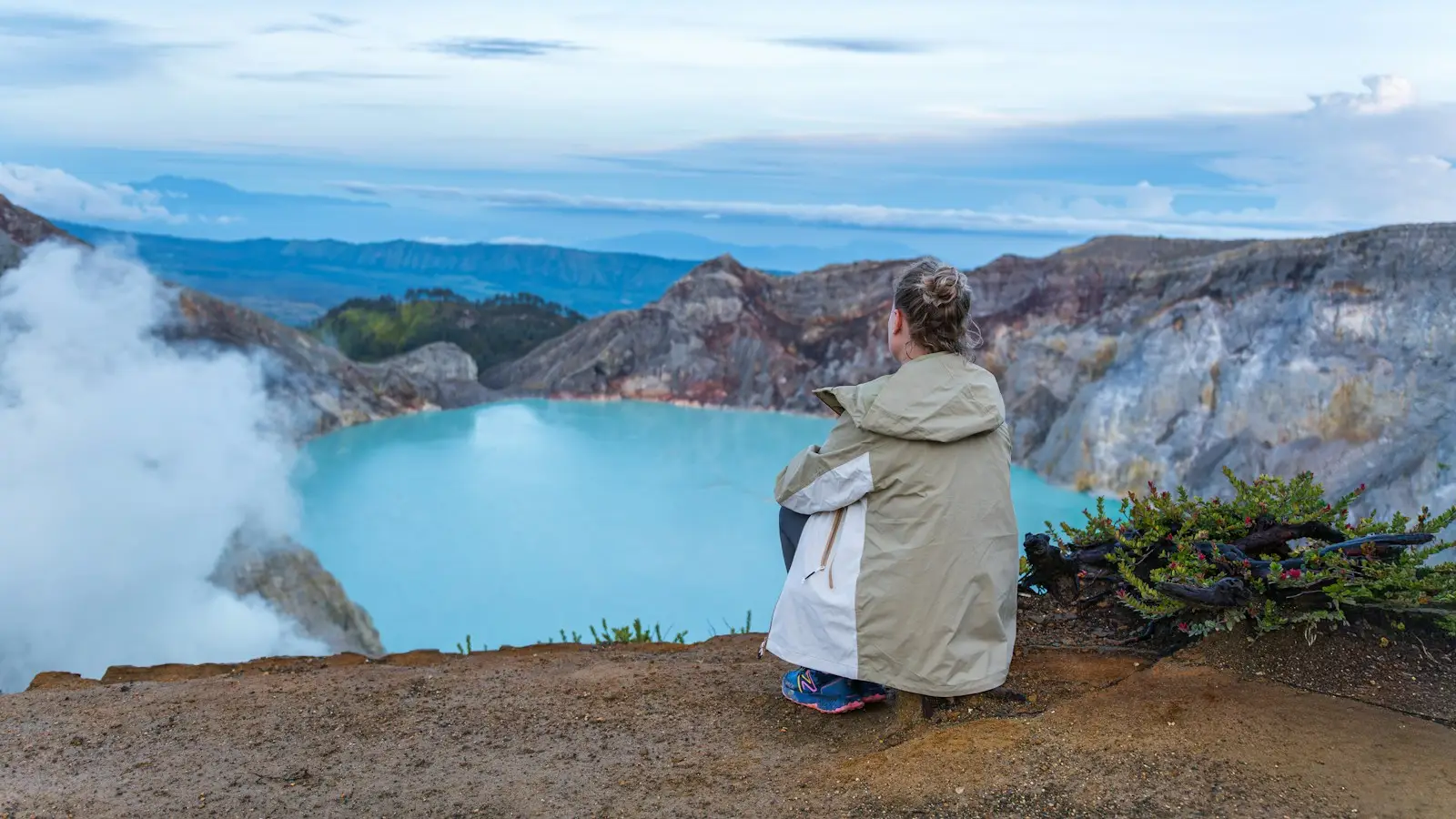
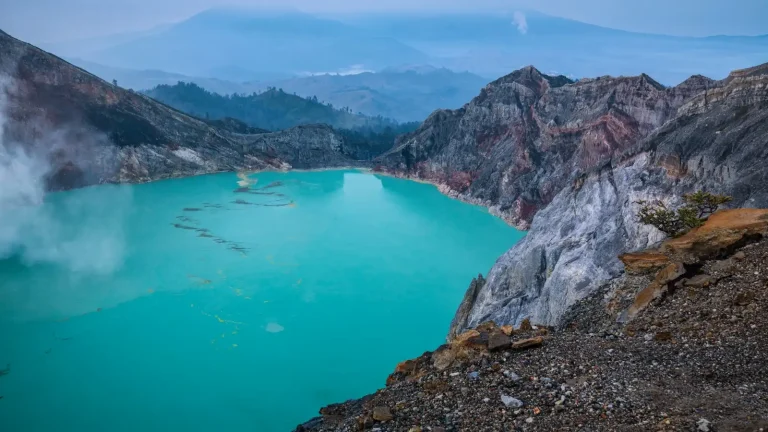
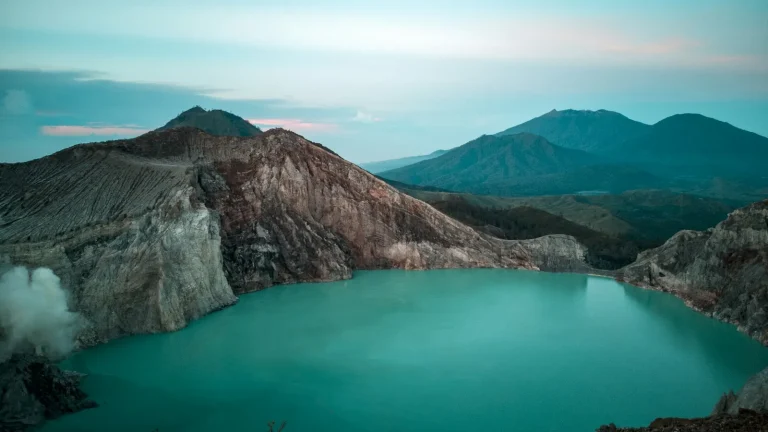
When planning your Kawah Ijen trek, it’s natural to have ijen tour altitude sickness concerns. The peak of Kawah Ijen stands at 2,443 meters (8,015 feet) above sea level, placing it in the “high-altitude” category, though true acute mountain sickness is genuinely rare below 2,500 meters. For most trekkers, the primary health consideration isn’t the altitude itself, but rather the volcanic kawah ijen sulfur gas health risk present, particularly at the crater rim and blue-fire zone.
we map every route into Kawah Ijen for Ijen Tour Package, operated by Bali Premium Trip, ensuring our guests arrive safely and well-prepared. We’ve walked the Ijen rim countless times, often in the quiet darkness before dawn. This guide shares what we know about health, safety, and suitability for Ijen, cutting through the hype to give you plain facts.
Understanding Kawah Ijen’s Altitude: What 2,443 Meters Means
Kawah Ijen’s summit, at 2,443 meters, is indeed high. However, it’s crucial to distinguish this from extreme or very high altitude mountaineering, which typically starts above 3,500 meters. The base camp, Paltuding, where your trek begins, is already around 1,800 meters. This means your ascent from Paltuding to the crater rim is roughly 500-600 meters in elevation gain over about 3 kilometers.
For the vast majority of healthy individuals, this altitude gain over a few hours is manageable. Symptoms of mild acute mountain sickness (AMS), such as headache, nausea, or dizziness, are possible but not common or severe at Ijen’s elevation. The risk is significantly lower than for treks to higher peaks like Mount Rinjani or those in the Himalayas.
Altitude Symptoms vs. Trekking Fatigue
It’s easy to confuse general trekking fatigue with altitude sickness. The Ijen trek involves a sustained uphill climb on a sometimes dusty, sometimes rocky path. You’ll be breathing harder, your muscles will ache, and you’ll feel tired. These are normal responses to physical exertion.
If you do experience mild symptoms like a headache or lightheadedness, pausing, hydrating, and resting briefly often helps. Your Bali Premium Trip guide is experienced in gauging a trekker’s condition and will adjust the pace as needed. Our priority is always your safety and comfort.
The Real Concern: Kawah Ijen Sulfur Gas Health Risk
While altitude is a factor, the more significant health consideration at Kawah Ijen is exposure to volcanic gases, primarily sulfur dioxide (SO2) and hydrogen sulfide (H2S). These gases are what create the famous blue fire and are constantly emanating from the active fumaroles within the crater.
Sulfur Dioxide (SO2) and its Effects
Sulfur dioxide is a pungent, irritating gas. Even in low concentrations, it can cause:
- Irritation of the eyes, nose, and throat.
- Coughing and shortness of breath.
- Headaches.
At higher concentrations, which can occur unpredictably, especially down in the blue fire zone or when wind shifts, SO2 can be more dangerous. This is why proper gas masks are absolutely mandatory for anyone descending into the crater and highly recommended for the rim, particularly if you are sensitive.
Bali Premium Trip provides high-quality, government-mandated gas masks (often full-face respirators) to all trekkers for use in the gas-affected areas. Our guides will instruct you on how to wear them correctly. Using the mask properly is your first line of defense against gas inhalation.
Hydrogen Sulfide (H2S)
Hydrogen sulfide, with its characteristic rotten-egg smell, is also present. While less common to cause severe issues than SO2, it can also contribute to respiratory irritation.
Mitigating Gas Risks
- Wear your mask correctly: Ensure a tight seal around your face.
- Listen to your guide: They monitor gas conditions constantly. If your guide tells you to move, cover your face, or ascend, do so immediately.
- Stay upwind: When possible, try to position yourself so the wind blows the gas away from you.
- Avoid descending too far into the crater: If gas levels are high or you’re feeling unwell, it’s always safer to stay at the rim. The blue fire can often be seen from higher vantage points.
- Don’t linger: Minimize your time in the gas-heavy areas. Get your photos, experience the phenomenon, and then move to cleaner air.
Who Should Exercise Extreme Caution: Medical Conditions
The presence of sulfur gas means that certain medical conditions warrant serious consideration before attempting an Ijen trek. This is general travel information, not medical advice. Anyone with a pre-existing medical condition, especially those listed below, must consult their licensed doctor before considering this trip.
Kawah Ijen Respiratory Problems: Asthma Safe?
If you suffer from kawah ijen respiratory problems asthma safe is a critical question. Individuals with asthma, chronic obstructive pulmonary disease (COPD), bronchitis, or any other significant respiratory illness are at increased risk from sulfur dioxide exposure. SO2 can trigger asthma attacks or worsen existing respiratory conditions.
- Recommendation: Your doctor needs to assess your specific condition and advise if the trek is suitable. Even with a gas mask, the risk of irritation or an exacerbation of symptoms is present.
- Disclosure: You must inform your Bali Premium Trip guide about your condition. Carry your inhalers or necessary medications with you and ensure your guide knows how to assist you if needed.
Ijen Crater Tour Heart Condition Medical Check
For those with a ijen crater tour heart condition medical check is essential. The strenuous uphill climb combined with the altitude and potential gas exposure can put significant strain on the cardiovascular system. Conditions such as:
- Angina
- History of heart attack or stroke
- Severe high blood pressure
- Congestive heart failure
- Arrhythmias
…mean that the Ijen trek carries elevated risks.
- Recommendation: A thorough medical check-up and explicit clearance from your cardiologist are non-negotiable.
- Disclosure: Inform your guide about any heart conditions. They can help you manage your pace and recognize signs of distress.
Is Ijen Safe During Pregnancy?
The question, is ijen safe during pregnancy, is straightforward: No. We strongly advise against trekking Kawah Ijen if you are pregnant.
- Physical exertion: The trek itself is physically demanding.
- Altitude: While not extreme, any potential stress on the body is best avoided during pregnancy.
- Sulfur gas exposure: This is the most significant concern. The effects of sulfur dioxide on fetal development are not fully understood, but any exposure to irritating gases or reduced oxygen levels is a risk that should not be taken.
- Uneven terrain: The path can be slippery and uneven, increasing the risk of falls.
For the safety of both mother and baby, postpone your Ijen adventure until after pregnancy.
Ijen Crater Medical Certificate Health Requirement 2026
As of last verified June 2026, there is no mandatory ijen crater medical certificate health requirement 2026 issued by the park authorities for general entry to Kawah Ijen. You will not be asked for a doctor’s note at the entrance gate.
However, this does not mean medical clearance is unnecessary. If you have any of the conditions mentioned above (respiratory, heart, pregnancy) or any other significant health concern, it is your personal responsibility to obtain a medical certificate or explicit clearance from your own licensed doctor before you travel. This is for your safety, not a bureaucratic requirement.
Bali Premium Trip reserves the right, based on our guides’ assessment and your disclosure, to advise against descending into the crater or even undertaking the trek if we believe it poses an undue risk to your health. Your well-being is paramount.
Ijen Tour Children Kids Family Friendly: Is it Suitable?
Many families wonder, is ijen tour safe for kids and what is the ijen tour age limit children. Kawah Ijen can be a memorable experience for families, but it requires careful consideration, especially for younger children and during the night trek for the blue fire.
Typical Minimum Age Recommendations
- For the full blue-fire trek (descending into the crater): We generally recommend a minimum age of 10-12 years old. The night trek, rough terrain, early start, and gas exposure make it challenging for younger children.
- For the crater-rim-only trek (daylight or pre-dawn, no descent): Children as young as 8 years old might be suitable, provided they are active, accustomed to hiking, and understand safety instructions.
Why the Age Recommendation?
- Physical Demands: The uphill trek is strenuous. Small legs can tire quickly, leading to exhaustion and discomfort.
- Safety in the Dark: The blue-fire trek starts around 1-2 AM. Walking in near-total darkness, even with headlamps, on uneven terrain is difficult for children and increases the risk of falls.
- Sulfur Gas Exposure: Children’s respiratory systems are more sensitive. While gas masks are provided, ensuring a proper fit and compliance from a child can be challenging. Exposure to sulfur gas can be distressing and potentially harmful.
- Attention Span & Compliance: Children need to follow guide instructions precisely, especially regarding gas masks and staying on the path. In a stressful or exciting environment, this can be difficult.
- Lack of Medical Facilities: Emergency medical facilities are not immediately available on the mountain.
Practical Considerations for Families
- Discuss with your children: Explain what the trek entails, the early start, the darkness, and the gas masks. Gauge their enthusiasm and understanding.
- Assess their fitness: Are they active? Do they enjoy walking long distances?
- Consider a ‘Crater-Rim Only’ Option: If you have younger children or prefer a less intense experience, consider trekking to the rim before sunrise or during daylight hours. You’ll still experience the incredible crater views without the added difficulty and gas exposure of descending to the blue fire. Bali Premium Trip can tailor ijen tour children kids family friendly itineraries to your family’s needs.
- Porters/Taxis: Local porters offer services to push trekkers up the path on modified carts (known as “Ijen taxis”). This can be an option for tired children (or adults!), but it comes at an additional cost (expect around US$80-150 round trip for the cart, last verified June 2026, depending on negotiation and weight). It’s important to understand this is a local service and not part of the Bali Premium Trip package, though your guide can help arrange it.
Ultimately, the decision for ijen tour age limit children rests with the parents, based on a realistic assessment of their child’s physical and mental readiness. Your Bali Premium Trip guide will provide all necessary safety briefings and support.
Ijen Blue Fire Trek Fitness Level Required
The ijen blue fire trek fitness level required is moderate. It’s not an extreme mountaineering challenge, but it is a sustained uphill hike.
What to Expect Physically:
- Distance: Approximately 3 km (1.9 miles) from Paltuding to the crater rim, then an additional ~800 meters (0.5 miles) descent into the crater for the blue fire. Total round trip can be 6-8 km (3.7-5 miles).
- Elevation Gain: Roughly 500-600 meters (1,600-2,000 feet) from Paltuding to the rim.
- Terrain: The path is well-defined but uneven, often dusty, rocky in places, and can be slippery, especially during or after rain. The descent into the crater is particularly steep and rocky.
- Duration: The ascent to the rim typically takes 1.5 to 2.5 hours, depending on pace. Descending to the blue fire and back up adds another 1-1.5 hours. The entire trek, including stops, can be 4-6 hours.
Are You Fit Enough?
If you can comfortably walk 5-6 kilometers (3-4 miles) on an inclined path or climb several flights of stairs without becoming overly breathless or needing frequent long breaks, you are likely fit enough for the Ijen trek.
- Preparation: Regular walking, jogging, or stair climbing in the weeks leading up to your trip will significantly enhance your enjoyment and reduce discomfort.
- Pacing: Listen to your body. Don’t push yourself too hard. Take breaks when needed. Your Bali Premium Trip guide will set a comfortable pace and ensure you have opportunities to rest.
What to Disclose to Your Guide
Honesty is crucial for your safety and comfort. When you book with Bali Premium Trip, or at the start of your trek, please disclose any relevant health information to your guide. This includes:
- Any pre-existing medical conditions (asthma, heart issues, diabetes, recent surgeries, etc.).
- Any medications you are currently taking.
- Any physical limitations or injuries.
- If you are traveling with children, their ages and general fitness levels.
- Any specific concerns you have about the trek.
Your guide is a seasoned professional. They are there to support you, adapt the pace, and ensure a safe experience. Knowing your health status allows them to be better prepared and react appropriately if any issues arise. This is part of how Bali Premium Trip delivers a responsible and expert-guided experience.
—
Considering an Ijen adventure? We’re here to help you plan every detail, ensuring your trip is safe, enjoyable, and perfectly suited to your needs.
Plan your trip with us today. You can reach our Bali Premium Trip reservations team directly via WhatsApp for quick and personal assistance.
—
Preparing for Your Trek: Beyond Medical Checks
Even if you’re in good health, proper preparation enhances your Ijen experience.
Essential Gear:
- Warm Layers: It gets very cold at Paltuding and on the mountain, especially before dawn. A base layer, fleece, and windproof/waterproof jacket are recommended.
- Comfortable Trekking Shoes: Sturdy, closed-toe shoes with good grip are essential. Hiking boots are ideal; trainers with good tread can also work.
- Headlamp or Torch: Absolutely necessary for the night trek. Bali Premium Trip provides headlamps, but a backup is always a good idea.
- Water: Stay hydrated. Bring at least 1.5-2 liters per person.
- Snacks: Energy bars, fruit, or nuts are good for sustained energy.
- Personal Medications: Any prescription medications you need.
- Small Backpack: To carry your water, snacks, and extra layers.
- Gas Mask: Provided by Bali Premium Trip.
- Sunscreen and Hat: For when the sun rises.
Acclimatization (Optional but Helpful)
If you have the flexibility, spending a night in Banyuwangi or Bondowoso (at a lower altitude than Paltuding) before your trek can help your body adjust slightly, though for Ijen’s altitude, it’s not strictly necessary for most. Our standard itineraries often include an overnight stay in the region, which naturally aids this.
Frequently Asked Questions
Can we go to Kawah Ijen altitude 2443 meters if we have a mild heart condition?
You absolutely must consult your own licensed doctor before attempting the Kawah Ijen trek if you have any heart condition. This is not a decision to make based on general information. Your doctor can assess the specific risks related to the strenuous uphill climb, the altitude, and potential sulfur gas exposure, providing you with personalized medical advice.
Is Ijen tour safe for kids under 8 years old?
For the safety and enjoyment of younger children, we generally recommend a minimum age of 10-12 years for the full blue-fire trek, and possibly 8 years old for a daylight trek to the crater rim only. The night trek’s darkness, challenging terrain, and the presence of sulfur gas make it difficult and potentially risky for children under 8.
What is the fitness level required for Ijen blue fire trek?
A moderate fitness level is required. You should be able to comfortably hike for 1.5-2.5 hours uphill (about 3 km with 500-600m elevation gain) and then navigate a steep, rocky descent and ascent within the crater. Regular walking, jogging, or stair climbing will prepare you well.
Do we need a medical certificate for Kawah Ijen?
As of last verified June 2026, park authorities do not mandate a medical certificate for entry to Kawah Ijen. However, if you have any pre-existing health conditions (especially heart, respiratory, or pregnancy), you are strongly advised to obtain explicit medical clearance from your personal licensed doctor before considering the trip.
How does Bali Premium Trip ensure safety given kawah ijen sulfur gas health risk?
Bali Premium Trip prioritizes your safety. We provide high-quality, government-mandated gas masks, employ licensed and vetted on-ground guides who constantly monitor gas conditions, and are trained to assist trekkers. Our guides adapt the pace to your fitness, provide clear safety briefings, and will advise on avoiding high-risk areas if conditions warrant it, ensuring you have a responsible and expert-guided experience.