Uncategorized
Ijen Sunrise vs Blue Fire — Which Tour Is Right for You?
Honest guide comparing ijen crater sunrise vs blue fire tour options, timing, difficulty and who each suits so you can choose the right Kawah Ijen hike.
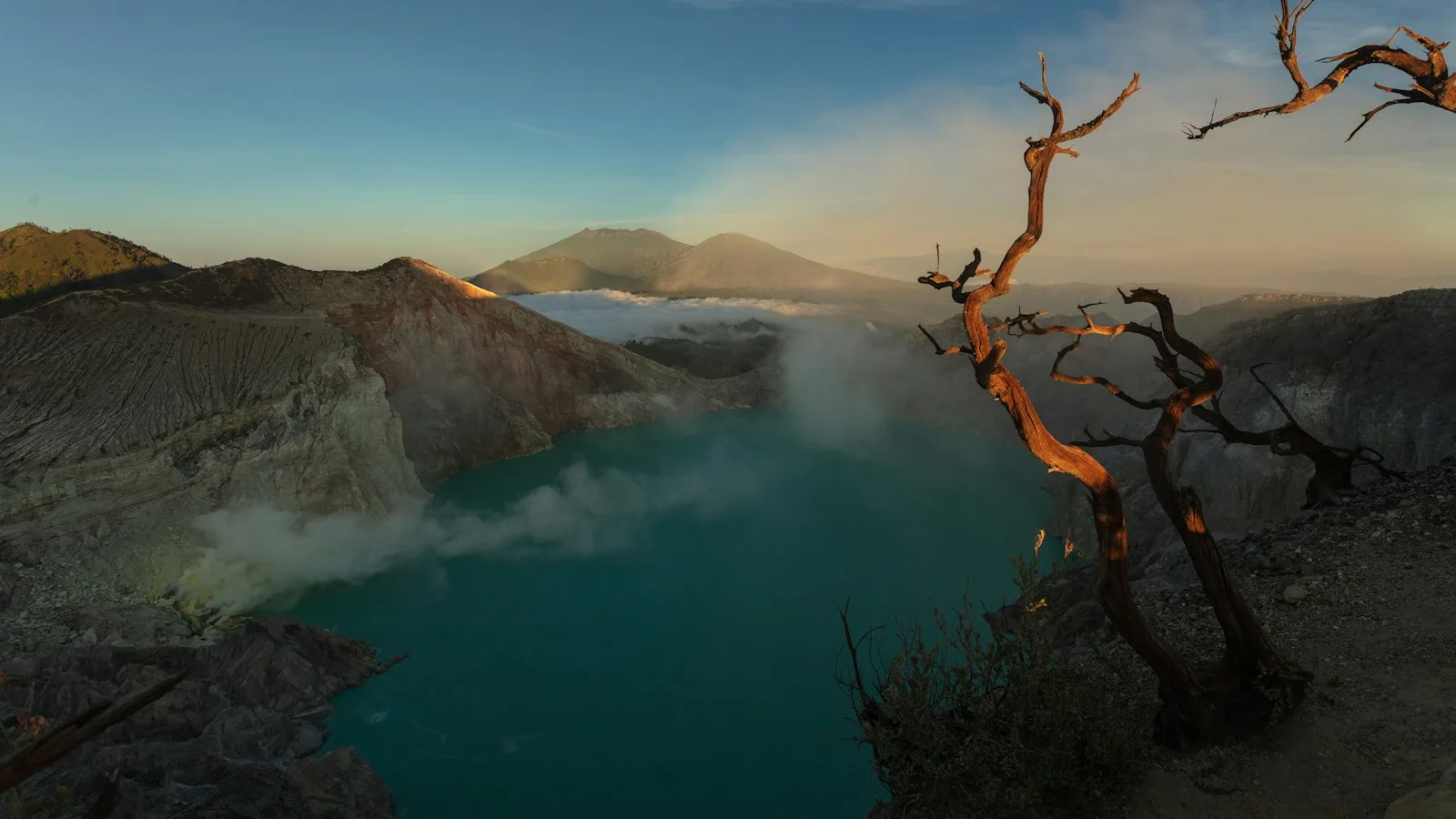
The ijen crater sunrise vs blue fire tour question is the first decision you need to make for Kawah Ijen. Do you start hiking around midnight for the electric-blue flames, or closer to 4 AM for an easier sunrise-only crater rim walk?
I’m Anindya, Ijen Trek & Mountain Editor at Ijen Tour Package, operated by Bali Premium Trip. I’ve walked that same dark path to the Ijen rim well over a hundred times, in dry-season dust and wet-season mud, with guests ranging from marathon runners to 65-year-old grandparents. This guide breaks down the midnight blue-fire trek versus the sunrise rim hike in plain language, so you can choose the version that actually fits your lungs, fitness and trip style.
Ijen blue fire vs sunrise: what’s the real difference?
Most Kawah Ijen trips from Bali or Banyuwangi fall into two basic styles:
1. Ijen midnight blue fire trek (night tour)
This is usually sold as the “Ijen blue fire tour” or “Ijen midnight blue fire trek vs sunrise” combo. You:
- Depart your hotel late evening (often 7–9 PM from Bali, closer to midnight from Banyuwangi).
- Start hiking from the Paltuding post around 1–1:30 AM.
- Reach the crater rim ~2:30–3 AM after a 3 km climb with ~500 m elevation gain.
- Optionally descend 30–45 minutes down to the crater floor to see the blue fire close up, wearing a gas mask.
- Climb back to the rim before sunrise, then walk the rim and watch dawn over the turquoise lake.
This version is longer, harder, and puts you closer to active sulfur vents. It gives the best chance to see Ijen’s “electric blue” flames between about 1–4 AM, then still catch sunrise from the rim afterwards.
2. Ijen sunrise crater rim hike (sunrise-only tour)
You’ll see this listed as “ijen crater sunrise hike vs night blue fire” or just “Ijen sunrise tour”. You:
- Depart later at night (e.g. 11 PM–12 AM from north Bali, or 2:30–3 AM from Banyuwangi).
- Start hiking around 3:30–4 AM.
- Reach the rim ~4:45–5:15 AM for first light and sunrise.
- Walk a section of the sunrise crater rim (15–30 minutes each way) for different angles over the lake and sulfur mine below.
- Do not descend to the crater floor; you stay upwind on the rim and usually don’t need a heavy gas mask.
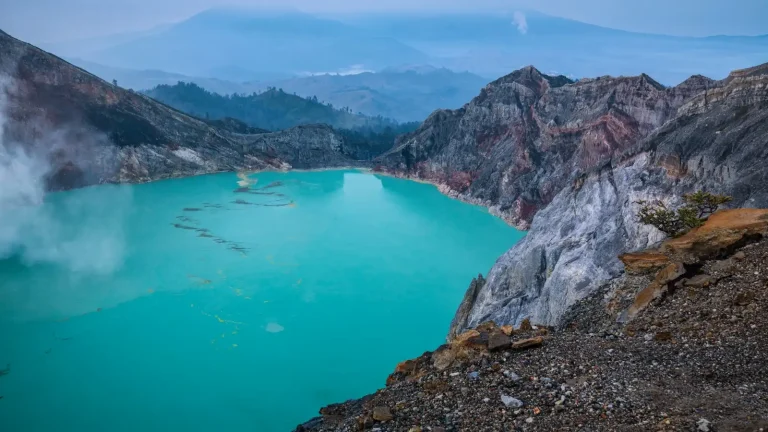
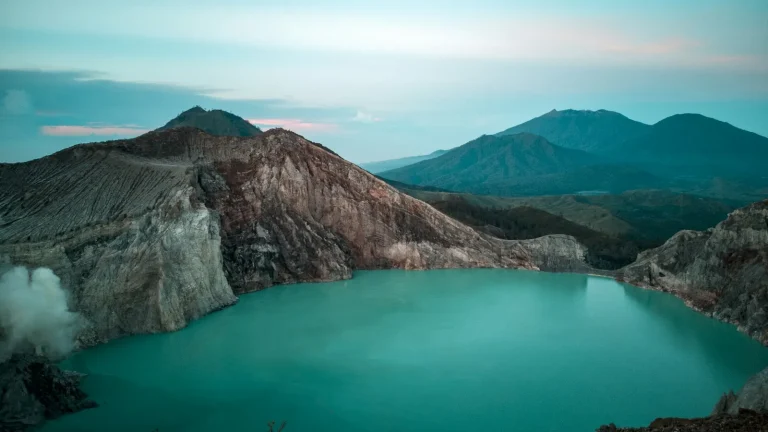
This version is shorter, more moderate in effort, and better suited to families, older travellers, or anyone wary of sulfur gas. You skip the blue fire but still see the crater lake at dawn, which many guests end up rating higher for overall experience.
Quick comparison: Ijen crater sunrise vs night tour
| Factor | Midnight Blue Fire Trek | Sunrise Crater Rim Hike |
|---|---|---|
| Typical trail start time | ~1:00–1:30 AM | ~3:30–4:00 AM |
| Core experience | Blue sulfur flames on crater floor + sunrise from rim | Sunrise over turquoise crater lake from rim only |
| Ijen blue fire when to see (timing) | Best between ~1–4 AM, before sky brightens | Usually no blue fire; it fades by ~4–5 AM |
| Difficulty | Harder: 3 km steep climb + 1–1.5 hours down and up loose rocks | Moderate: 3 km climb to rim, no crater descent |
| Sulfur gas exposure | High and variable on crater floor; gas mask essential | Usually low on rim; mask optional/for backup |
| Who it suits | Fit hikers, adventure seekers, photographers | Families, older guests, those with mild fitness or lung concerns |
| Photography payoff | Blue fire close-up (if conditions allow) + sunrise | Better light for the crater lake, more relaxed shooting |
| Average total hiking time | ~4–5 hours moving time | ~3 hours moving time |
| Typical private tour cost (indicative) | From Bali: ~US$190–260 pp (2–4 people)* | From Bali: ~US$170–240 pp (2–4 people)* |
*Indicative, last checked June 2026 for private tours including transfers, ferry, guide, park fees and basic gear. Exact cost depends on season, group size and pickup location.
If you already know which side of this ijen sunrise vs blue fire which tour question you lean toward and want a human to sanity-check it for your dates and fitness, you can plan your trip with our Bali Premium Trip reservations team over email or WhatsApp.
How the Ijen night unfolds: hour-by-hour
To choose well, it helps to see the night in real time. Here’s what a typical Ijen blue fire vs sunrise crater rim trip looks like from the trailhead onward.
00:30–1:00 AM — Paltuding parking area
- Altitude here is ~1,850 m, so it feels cool to cold: usually 8–14°C before dawn in the dry season, a bit colder with wind or rain.
- You meet your local mountain guide, adjust your headlamp, check your layers and (for blue fire) get fitted with a gas mask.
- Toilets exist but are very basic. Use them before you start; there are no facilities on the trail.
1:00–2:30 AM — Main uphill climb (both tours)
This section is the same for both the ijen crater sunrise hike vs night blue fire versions:
- Distance: about 3 km from trailhead to crater rim.
- Elevation gain: roughly 500 m. It’s not Everest, but it is a sustained climb.
- Trail: wide ash-and-sand path, steep in parts (especially the middle third), with occasional concrete or rock underfoot.
- Time: 1.5–2 hours for most average-fit hikers with breaks.
This is where the ijen night hike difficulty vs sunrise hike feels the same. The difference is how tired you are when you start. Midnight blue fire guests often have already been in a car and ferry for 5–7 hours from Bali. If you know you struggle with sleep deprivation, that matters.
2:30–3:00 AM — Decision point at the rim
- At the crater rim, your guide will check wind direction and gas conditions.
- If conditions are acceptable and the park currently allows it, blue-fire trekkers descend to the crater floor.
- Sunrise-only guests stay on or near the rim, find a sheltered spot out of the wind, and rest with hot tea from the simple warung (when open).
Sometimes the park authority restricts crater-floor access because of gas levels or volcanic activity. Then the ijen midnight blue fire trek vs sunrise effectively becomes sunrise-only for safety, even if you booked the blue fire option. No operator can override that; it’s a live safety call.
3:00–4:00 AM — Crater descent and blue fire (blue fire tour only)
This is the most intense part of the night for the blue fire version:
- Descent: 30–45 minutes down ~250 vertical meters on steep, loose volcanic rock and dusty switchbacks.
- Footing: uneven, with rock steps and gravel that can slide. You use hands occasionally for balance.
- Gas: sulfur clouds can shift very suddenly. Your guide will tell you when to put on or tighten your gas mask.
At the bottom, you walk near the sulfur vents to see the blue fire. The flames can appear like a flowing neon-blue river or multiple torches, visible mainly between about 1 and 4 AM. Photographers often use tripods and long exposures to capture it; hand-held phone shots tend to be blurry without practice.
4:00–5:00 AM — Climb back up + first light
- Blue fire guests climb back from the crater floor to the rim; this can be tougher than the descent, especially if gas creeps across the trail.
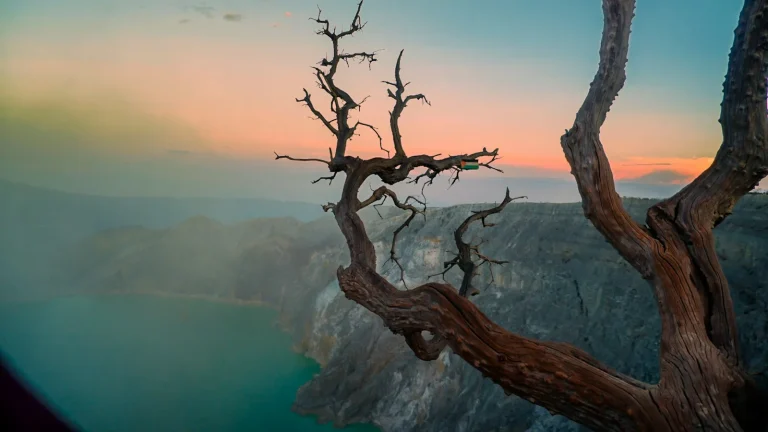
- Sunrise-only guests are already on the rim, watching the sky go from black to dark blue, with the lake starting to show color.
- By 4:30–5 AM, the blue fire fades as the sky brightens; the flames themselves are still there, but the glow is washed out.
5:00–6:00 AM — Ijen sunrise crater rim walk
Once the sun is up:
- You can walk along the rim for 15–30 minutes each way, gaining different vantage points over the lake, sulfur mine and, on clear days, surrounding peaks.
- Wind often picks up; the same sulfur cloud that was annoying down below can drift across parts of the rim. A light mask or buff helps if you’re sensitive.
- Most groups start descending from the rim between 6 and 6:30 AM.
6:00–7:30 AM — Descent to Paltuding
- The 3 km back down usually takes 1–1.5 hours.
- This is where many people realise the descent can be harder on knees than the climb was on lungs. Trekking poles help a lot.
- Cafes and warungs at Paltuding open up for simple breakfast, coffee and instant noodles before you return to Bali or Banyuwangi.
Ijen blue fire: when to see it and why it fades
There’s a lot of confusion around ijen blue fire when to see 1am 4am timing, so let’s clear it up.
What is the blue fire, really?
The “blue fire” is not magical water or lava. It’s sulfur gas escaping from vents at high pressure and temperature, igniting as it meets oxygen. The flame color looks electric blue in the dark. The flow you see is burning gas along the ground, sometimes mixed with molten sulfur.
Exact timing: ijen blue fire when to see 1am–4am
- Best viewing window: roughly 1–4 AM, in full darkness.
- From 4–5 AM: it’s still physically there, but sky brightness washes out the glow.
- After sunrise: you usually can’t see it at all with the naked eye, only occasionally as very faint blue near vents on long-exposure photos.
This is why the ijen blue fire vs sunrise crater rim tours are timed differently. To prioritise blue fire, you need to be at or near the crater floor before about 3 AM. If your main goal is the sunrise lake view, a 3:30–4 AM start is fine and more humane on sleep.
Can blue fire be “off”?
The phenomenon itself is constant, but visibility changes with:
- Wind: strong wind can blow flames sideways or hide them in gas clouds.
- Rain: heavy rain can make access too slippery or unsafe, so rangers may restrict crater descent.
- Volcanic alerts: if activity raises, the park authority can close the crater floor or the whole mountain, sometimes at short notice.
No guide or company can guarantee blue fire on a given night. We plan timing to maximise your chances, then adapt to the reality of weather and gas on the ground.
Ijen night hike difficulty vs sunrise hike: how hard is it really?
Here is the honest difficulty breakdown across the two styles.
Main climb (both tours)
- Distance: ~3 km each way; elevation gain: ~500 m.
- For an average healthy adult who can walk 5–8 km on hills at home, this is challenging but achievable with breaks.
- People with knee issues often struggle more on the way down than up.
Extra strain on the midnight blue fire trek
The ijen midnight blue fire trek vs sunrise adds several difficulty layers:
- Sleep: you are hiking through your normal sleep window; some people feel lightheaded from that alone.
- Crater-floor descent: ~1–1.5 extra hours of steep, rocky terrain, often in gas masks, at higher concentration and with less margin for clumsiness.
- Psychological load: you see miners carrying heavy sulfur loads past you; gas clouds can roll in fast, making some guests anxious.
Who should consider sunrise-only
A sunrise crater rim walk is usually the better choice for:
- Families with kids under 12.
- Older travellers, especially 55+ who don’t hike regularly.
- Anyone with asthma, chronic bronchitis or other lung issues.
- People with knee or ankle problems, or poor balance on loose rock.
- Those who hate tight, enclosed-feeling gas-mask situations.
You still need basic fitness for the climb, but you avoid the highest gas exposure and the trickiest footing on the crater descent.
Gas masks, safety and real risks
Kawah Ijen is not a theme park. It’s an active sulfur mine on the rim of an acidic volcanic lake. As someone who’s watched gas clouds change direction in seconds, I want to be clear about safety without scaring you off unnecessarily.
Sulfur gas and who is most at risk
- Sulfur dioxide (SO₂) is the main irritant; it can cause coughing, eye burning and, at higher levels, breathing difficulty.
- On the rim, concentrations are usually low and manageable, but gusts can still sting eyes and throats.
- On the crater floor, especially near the vents, levels can spike suddenly to very uncomfortable levels if the wind shifts.
If you have asthma, COPD, heart disease, are pregnant, or have had severe breathing trouble in the past, treat the crater-floor descent as not advisable. A sunrise-only rim hike, with a light mask as backup, is usually more appropriate — and even that should be discussed with your doctor beforehand.
What we provide on tours
On Bali Premium Trip–operated tours, arranged via Ijen Tour Package, our vetted local guides typically provide:
- Gas masks for blue fire trekkers (industrial-style, not cheap paper masks).
- Headlamps for guests who don’t bring their own.
- Basic safety briefing at Paltuding about the trail, gas, and what to do if you feel unwell.
We arrange park permits, local guides and transport through licensed local partners who know the mountain and current rules. Still, conditions change night by night. Rangers have the final say on access, and your guide may turn back from the crater floor if gas or weather makes it unsafe.
Falls and trail hazards
- The most common issues I see are slips on gravel and twisted ankles on the crater path.
- Simple prevention: proper shoes with tread (no smooth-soled city sneakers), a light daypack for water, and, ideally, trekking poles.
- There are steep drop-offs near parts of the rim. At night, always follow your guide and keep headlamps on.
Photography: blue fire vs sunrise crater rim payoff
Many guests choose between Ijen crater sunrise vs blue fire tour options based on photos they want to bring home.
Blue fire photography
- Best results with a camera that allows manual control and long exposure (e.g. 5–15 seconds at high ISO on a tripod).
- On a phone, you’ll need “night mode” and a very steady hand or mini tripod; expect some blur.
- Composing shots is harder in the dark, with gas masks on and people around you.
- You usually get only a short window near the vents before gas or crowds push you to move.
Sunrise and crater lake shots
- Light improves quickly after 5 AM, revealing the milky-turquoise lake color and yellow sulfur deposits.
- Sunrise rim walks let you try several vantage points without rushing.
- Clouds can roll in and out quickly. Some mornings you get crisp views across the entire crater; others, fog shrouds the lake for part of the time.
If detailed landscape shots of the lake and crater walls are your main goal, the sunrise crater rim walk is usually more productive and relaxed. If you’re a photography enthusiast chasing rare phenomena with the patience for tripod work in gas masks, the blue fire trek offers something far less common.
Costs: Ijen blue fire vs sunrise crater rim
Pricing shifts with season, group size and whether you start from Bali or from Java, but the pattern is consistent: the full blue fire + sunrise package tends to cost a bit more than sunrise-only Ijen crater rim tours.
Indicative pricing (last verified June 2026)
- From Bali (private tour, 2–4 people):
- Blue fire + sunrise (return same day): around US$190–260 per person.
- Sunrise-only rim hike (no crater-floor descent): around US$170–240 per person.
- From Banyuwangi (private tour, 2–4 people):
- Blue fire + sunrise: around US$90–140 per person.
- Sunrise-only: around US$70–120 per person.
These ranges typically include private car transfers, ferry (if starting from Bali), licensed local mountain guide, entrance fees and basic gear like headlamps and gas masks for blue fire tours. Exact numbers depend on your date, pickup point, and how many nights you combine Ijen with nearby spots like Bali’s West Coast or other East Java volcanoes.
To get an exact quote at our published direct rates and see what’s realistic for your group size and timing, you can plan your trip with our Bali Premium Trip reservations team over WhatsApp or email.
So, is Ijen blue fire worth it vs sunrise?
This is the core of the ijen sunrise vs blue fire which tour debate. My honest take after 100+ ascents:
Choose the blue fire trek if:
- You’re reasonably fit and used to hiking hills for several hours.
- You’re okay with short-term discomfort (gas masks, rock scrambles, broken sleep) for a rare volcanic experience.
- You understand that access to the crater floor depends on live conditions, and you’re mentally fine with the risk that you might not get all the way down.
- Photography or earth-science curiosity motivates you more than sleep.
Choose the sunrise crater rim hike if:
- You want the crater lake view, sunrise colors and mountain atmosphere with lower risk and effort.
- You have mild fitness, joint issues, or just know that hiking steep trails at 2 AM in gas masks will stress you out.
- You’re travelling with children, older parents, or a mixed-ability group.
- You prefer a calmer, more scenic experience over a “must-tick” bucket-list phenomenon.
Personally, I find the sunrise rim scenes stay with people longer. The way the lake color shifts as light grows, the miners’ silhouettes on the slope, the slow reveal of the caldera walls — those moments are quieter but deeper. The blue fire, when you catch it well, is intense and otherworldly, almost like a short performance.
Weather, seasons and current conditions
We get a lot of questions about “best month” for Ijen crater sunrise vs night tour choices. Here’s the realistic picture.
Dry season (roughly May–October)
- Trails are drier and generally easier underfoot.
- Higher chance of clear skies, but also more dust and more crowds on the most popular months (July–September).
- Nights can feel colder on the rim due to wind chill; bring a proper jacket and gloves.
Rainy season (roughly November–April)
- Short heavy showers are common, especially toward dawn.
- Trail can be muddy and slippery in sections.
- Cloud and fog around sunrise are more frequent; some mornings the lake view opens only later.
Weather on any particular night is never guaranteed. What matters more is checking the current volcanic alert level and park rules close to your date. Our Bali Premium Trip team and local guides monitor these and adjust plans accordingly.
How we run Ijen crater sunrise vs blue fire tour options
Ijen Tour Package is run directly by Bali Premium Trip, based in Kuta and arranging East Java trips since 2015. For Ijen we:
- Handle all planning and booking directly through our own reservations team — no reseller markups.
- Arrange licensed local guides who know Ijen’s routes, gas patterns and ranger rules.
- Use private vehicles and drivers from Bali to the ferry and onward, so timings match your chosen tour style (blue fire vs sunrise crater rim).
- Build realistic itineraries that factor in ferry timing, rest breaks, and your return plan to Bali or onward to Java.
We don’t promise “easy” where it isn’t. We’ll often recommend sunrise-only to guests with limited fitness or health concerns, even though blue fire is more famous, because getting you back down safe matters more than ticking a brochure phrase.
If you’d like help deciding which version makes sense for your group and dates, or you need a door-to-door plan from Bali with clear departure times, you can plan your trip directly with us via WhatsApp or email.
FAQs: Ijen sunrise vs blue fire
Can I decide on blue fire or sunrise-only once I reach Ijen?
Sometimes. If you start from Banyuwangi and reach Paltuding early enough, you can often decide with your guide at the rim whether to go down to the crater floor based on how you feel and gas conditions. From Bali, we usually need to plan timing in advance (midnight vs later departure), but actual crater-floor access still depends on live safety conditions.
Is the Ijen blue fire safe for children?
The crater-floor blue fire section is generally not recommended for young children due to gas exposure, loose terrain and the need to follow instructions very carefully in the dark. A sunrise-only crater rim hike is more suitable for older kids who are used to walking uphill for a few hours; very young children may still struggle with the climb and cold.
Do I need a gas mask for the sunrise crater rim walk?
For sunrise-only rim hikes, most people manage with just a light buff or mask, and many tours don’t use heavy gas masks unless gas blows toward the rim. Some operators still bring proper masks as a backup. For the crater-floor blue fire visit, a proper gas mask is essential and should be non-negotiable.
Will I see blue fire on a sunrise-only tour?
Almost never. By the time sunrise-only hikers reach the rim (around 5 AM or later), daylight usually makes the blue glow invisible to the naked eye. You might catch a faint hint in a long-exposure photo, but the classic “neon river” look is a night-only phenomenon best seen between about 1 and 4 AM.
Can I do Ijen and Mount Bromo in one trip from Bali?
Yes, many travellers combine Ijen with Bromo over 3–4 days, using private transport and local guides. That usually involves at least one night in East Java and can run roughly US$450–800 per person (indicative range, depending on group size, season and accommodation level). Our Bali Premium Trip team can build a route that factors in your preferred Ijen option — blue fire vs sunrise crater rim — and realistic driving times.